
Cart
There are no more items in your cart
- -40%
Here, the voice is the instrument. Vocal scores, methods and collections for soloist, duet or choir: plenty to work on your technique, prepare a concert or accompany a choir.
Whether you are just starting out or have been singing for years, it all comes down to your vocal range and your ensemble. Soprano, alto, tenor, baritone, bass: every score is written for a specific voice, so it pays to pick the right one from the start.
Each listing states the vocal range, the number of voices and the language of the text. Your turn to sing.
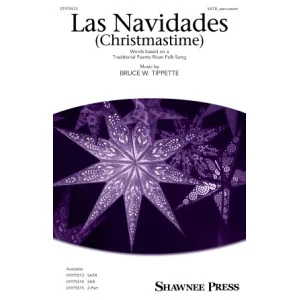
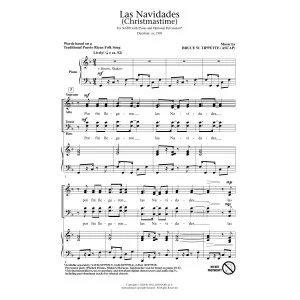
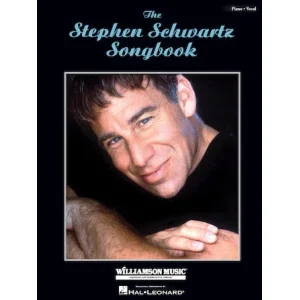
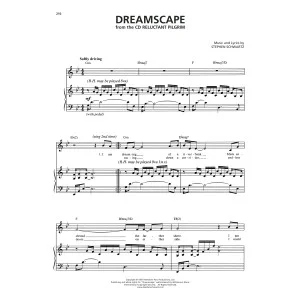

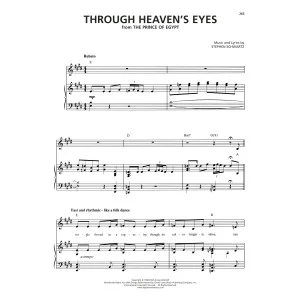
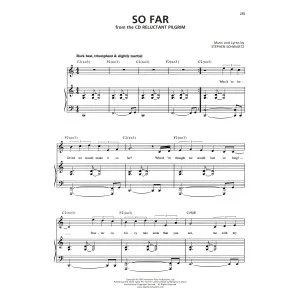
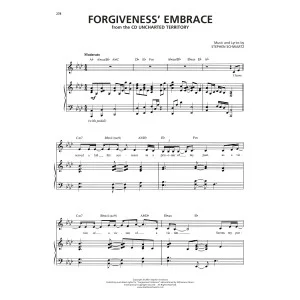
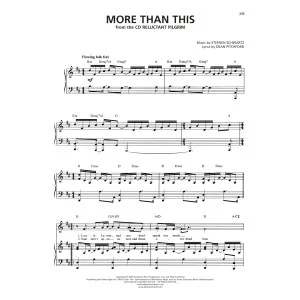

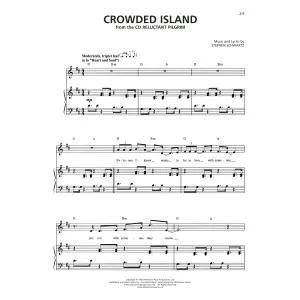
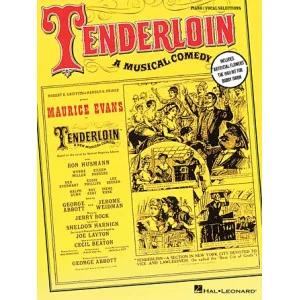
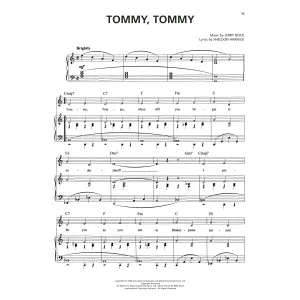
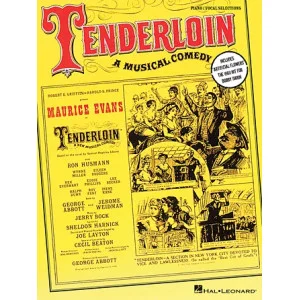
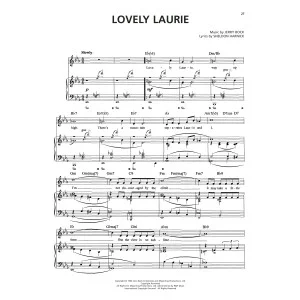
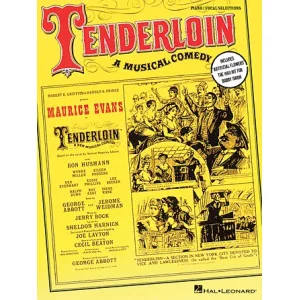
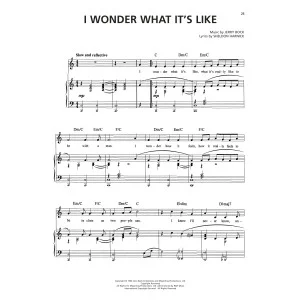
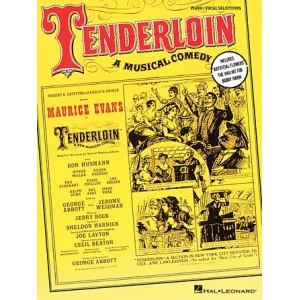
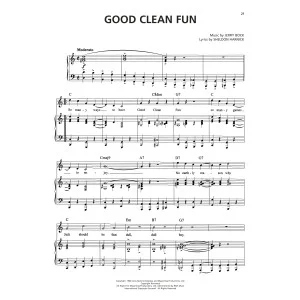


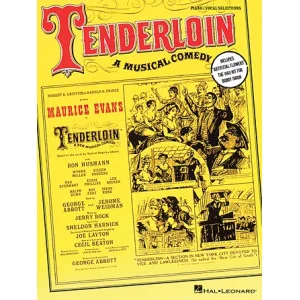

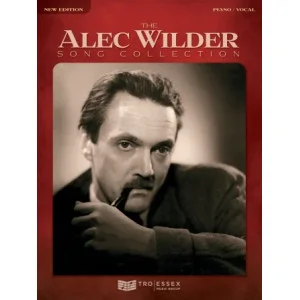
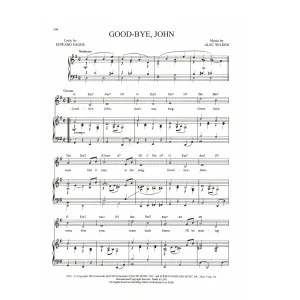


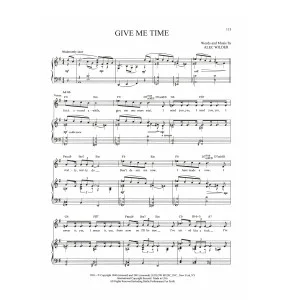
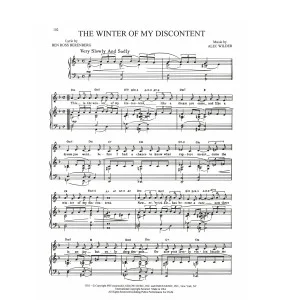
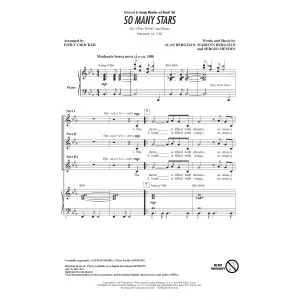

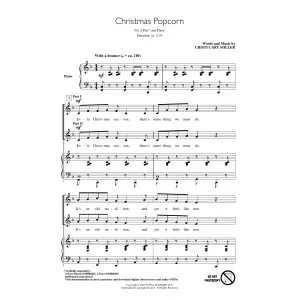

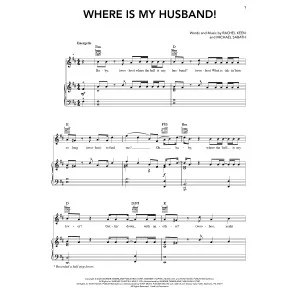
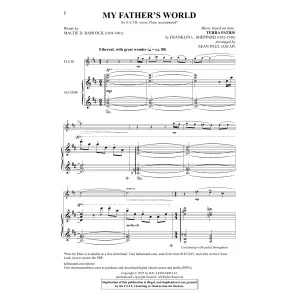
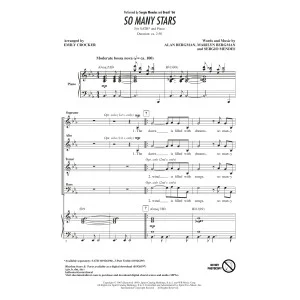
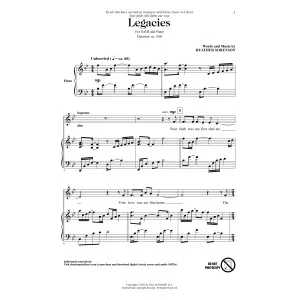

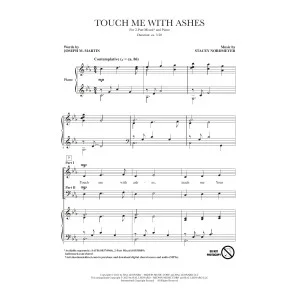
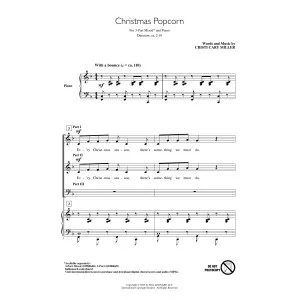

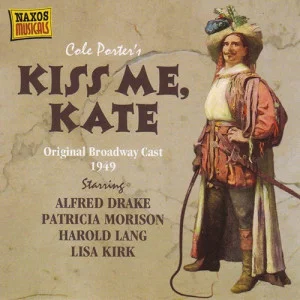
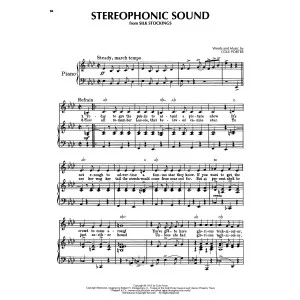
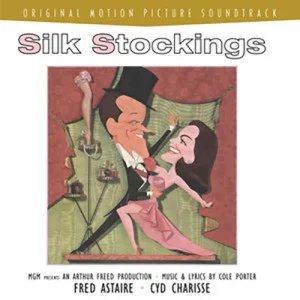


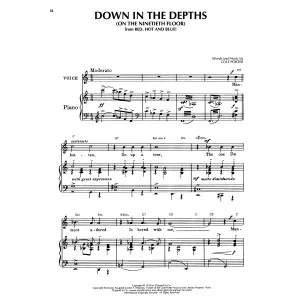

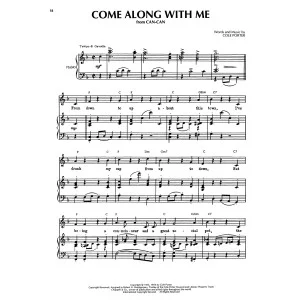



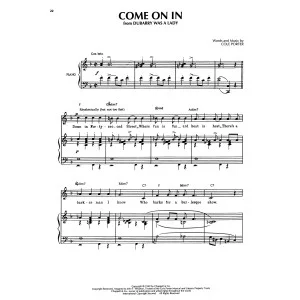

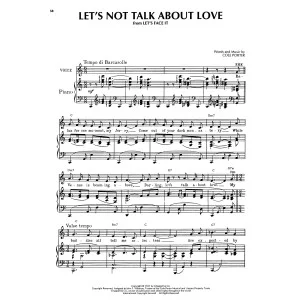
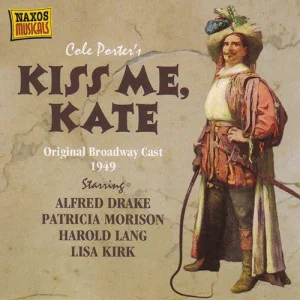


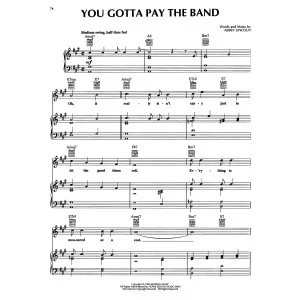

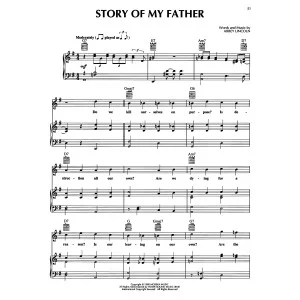
Start with your vocal range — it determines everything else. A score written for soprano cannot be transposed for a baritone without adaptation. Then check the type of ensemble: solo, duet, or choir in equal or mixed voices.
A solo score contains a single vocal line with piano accompaniment. A choral score sets out each part (sopranos, altos, tenors, basses) on separate staves, which is essential for rehearsing your own line.
No, and that is one of the great advantages of singing. Many songbooks provide a simple melodic line, chord charts and sometimes a reference recording. That said, it is more comfortable to pick up a few basics so you can follow a part.
Singing methods include breathing exercises, warm-ups and vocalises. Practise them regularly at a moderate volume, and favour editions that mark the breathing points in the score.
Yes — a large part of our vocal catalogue is available as a digital PDF score, downloadable right after purchase. Some titles are also available as a bound collection.