Do you think you have missed the boat when it comes to learning to sing? Think again. Contrary to a very widespread belief, age is not an obstacle to singing. Whether you are thirty, forty or sixty years old, your voice can still improve dramatically. Here is what science and practice really say about learning to sing as an adult.
Can you really learn to sing as an adult?
Yes, absolutely. Singing draws on muscular, respiratory and auditory mechanisms that improve at any age as soon as you train them. Many adults who had never sung discover a voice they did not know they had after a few months of practice.
What holds adults back is not a voice problem but a confidence problem: we judge ourselves more harshly, we compare our level to experienced singers, and we forbid ourselves from being beginners. It is this mental block that must be lifted first.
Can the adult brain still learn to sing?
Yes. Throughout life, the brain keeps the ability to create new connections, which is known as brain plasticity. In practice, learning to sing as an adult means training your ear to recognize pitches, your breathing to support the sound, and your vocal muscles to produce a stable sound. These three kinds of learning work perfectly in adulthood.
Adults even have an advantage over children: a better capacity for analysis and concentration. They understand technical instructions about posture, breath or diction more quickly, which allows them to progress fast once the initial block has been overcome.
How long does it take to learn to sing as an adult?
The first signs of progress are noticeable within a few weeks: better breath control, a more settled voice, more reliable intonation. To sing with ease and confidence, allow several months to a year of regular practice. The key is regularity, not intensity: two or three sessions a week are worth more than one long session every now and then.
What gear do you need to start singing as an adult?
To get started in good conditions, a microphone and a pair of headphones are enough. The mic lets you record yourself and listen back objectively, and the headphones let you hear your voice again without being bothered by ambient sound. An audio interface becomes useful as soon as you want to record your voice properly on a computer. Check out our selection of audio interfaces to get off to a good start.
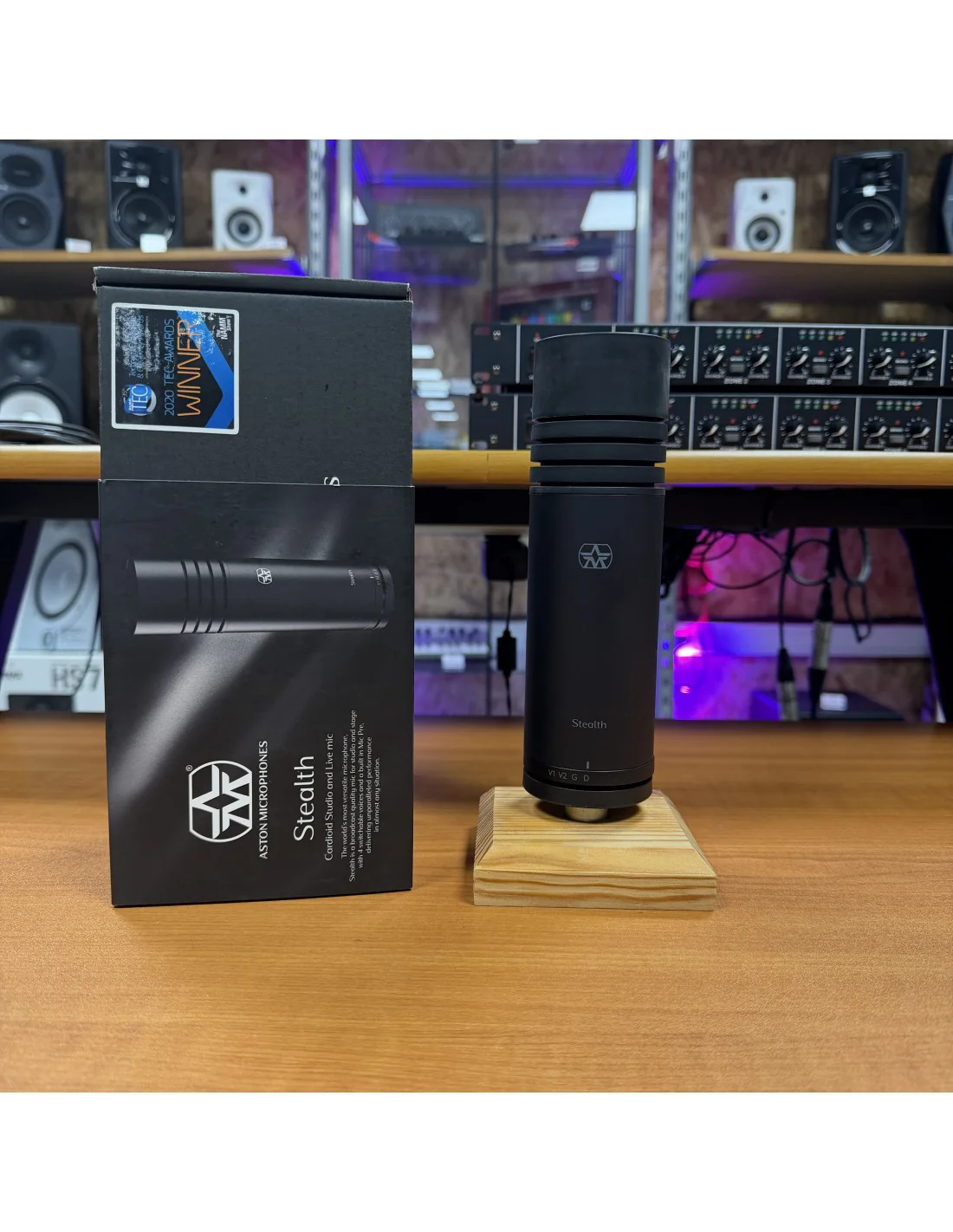
There is no need to aim for the high end to begin with: a well-chosen entry-level mic does the job perfectly. To help you choose, check out our guide which microphone for recording vocals.

If you want to set up a small recording corner at home, our article on a cheap home studio will guide you step by step. And since learning music as an adult is entirely possible whatever the instrument, our guide on learning piano as an adult will show you that motivation matters more than age.
Key takeaways
- ✔ Age is not an obstacle: the voice improves at any age.
- ✔ The adult brain: a plasticity that makes learning possible.
- ✔ Regularity: a few sessions a week are enough.
🧑💼 The Green Musicians tip
Set yourself a simple, concrete goal to stay motivated: learn a specific song from start to finish. Singing a piece you enjoy, rather than abstract exercises, will help you progress without even realizing it.
FAQ - Learning to sing as an adult
From what age is it too late to learn to sing?
There is no age limit. As long as the voice is healthy, you can learn and progress at any age, including after sixty.
Does an adult progress more slowly than a child?
Not necessarily. Adults often progress quickly at the start thanks to their capacity for analysis and concentration, even if a child's vocal flexibility remains an asset.
Should you take adult singing lessons?
Lessons with a teacher speed up your progress by correcting your flaws quickly. Self-teaching is possible but slower and riskier when it comes to technique.
How many times a week should you practice?
Two to three short sessions a week are enough to progress. Regularity matters more than the length of each session.
What is the minimum gear to start singing as an adult?
A microphone to record yourself and headphones to listen to yourself are enough. An audio interface completes the setup if you want to record on a computer.
Can you sing in tune if you have always sung out of tune?
Yes, intonation can be worked on at any age. With regular ear exercises, the vast majority of adults make clear gains in intonation.
Ready to start singing, whatever your age?
Discover our selection of microphones and interfaces to start singing
See vocal microphonesAnd there you have it! We hope this article has convinced you that it is never too late to learn to sing. All that is left is to browse Green Musicians to find the gear of your dreams at the best price.
We offer a complete catalog of musical instruments featuring brands from around the world such as Shure, Rode, Audio-Technica, Focusrite and many more. Whether you are an amateur or professional singer, our marketplace is designed to bring you the best of music.
Green Musicians is also the music marketplace where everyone can buy or sell music gear with confidence: new, refurbished and second-hand instruments, as well as software, plugins, sheet music and samples.
For any question or comment about this article, or if you would like to suggest a topic for an article, feel free to speak up below.

 What is a looper and how to use it?What is a looper and how to use it? The loop principle, choosing a model, practicing, composing and playing live: the complete beginner's guide.Read more
 How long does it take to learn the drums?How long does it take to learn the drums: first grooves, first songs and independence. The realistic benchmarks and the right practice rhythm.Read more
 Vestax: Japanese legend of DJ equipment and vinyl turntablesVestax, founded in Tokyo in 1977, made DJing history with its revolutionary vinyl turntables and legendary mixers. A look back at the legacy of a cult brand that continues to inspire DJs around the world.Read more
 Hagstrom: Swedish guitars and basses since 1958Hagstrom, Swedish guitar excellence since 1958.Read more
 Altamira: classical and flamenco guitars inspired by Spanish traditionAltamira offers classical, flamenco, gypsy jazz guitars and historical replicas inspired by Spanish tradition. From beginner to concertist, discover authentic lutherie at the right price.Read more
 NoiseWorks VoiceAssist: cleaner vocals in less timeWhat if the next real upgrade to your studio were not a new microphone or a preamp, but time? That is the question NoiseWorks raises with VoiceAssist, a plugin that tackles the least creative part of vocal work: cleanup. Background noise, room reverb,Read more
 How to sound a band rehearsal?How to sound a band rehearsal: gear, speaker placement, volume balance and voice amplification for effective rehearsals that protect your hearing.Read more
 How to get a good stage monitor mix?How to get a good stage monitor mix: gear, console connections, volume settings without feedback and placement tips for musicians.Read more
 Which PA amplifier for a room of 100 people?Which PA amplifier for a room of 100 people: power, speaker types, placement and budget advice to sound your venue properly.Read more
 How to connect your computer to a PA system?How to connect your computer to a PA system: audio interface, cables and console settings, with the fallback solutions and the mistakes to avoid.Read more
Leave a comment