Are you preparing a concert or a small tour and hesitating between a dynamic microphone and a condenser microphone for the stage? This is a classic question, and the answer comes down to a few simple principles. This guide explains the differences, the strengths of each technology and how to choose the right microphone according to your voice, your style and your venue.
Dynamic or condenser microphone for the stage?
For the stage, the dynamic microphone is almost always the best choice, especially for live vocals. A dynamic microphone is rugged, handles very high sound pressure levels, barely picks up feedback and works without phantom power. The condenser microphone is more sensitive, more accurate and more flattering in the studio, but it picks up more ambient noise and feedback: it is best reserved for quiet vocals, acoustic instruments and situations where the onstage volume stays moderate.
In short: to sing live in a bar, a hall or a festival, choose a cardioid dynamic microphone. To record at home, do studio vocals or capture an acoustic instrument at an intimate concert, a condenser microphone will bring more finesse.
What is the difference between a dynamic microphone and a condenser microphone?

A dynamic microphone works on the principle of a coil moving inside a magnetic field: it is simple, solid and requires no power. A condenser microphone uses an electrically charged capsule, which makes it much more sensitive to details, but it requires 48 V phantom power supplied by the mixing console or an audio interface.
This technical difference explains everything else. The dynamic microphone absorbs huge levels (drums, amps, powerful vocals) without distorting. The condenser captures the finest nuances, but also the slightest background noise: air conditioning hiss, chatting audience, room reverberation. On a stage, this sensitivity quickly becomes a drawback.
Why is the dynamic microphone better suited to live sound?
The dynamic microphone is better suited to live sound for three main reasons: it is almost immune to feedback, it withstands drops and sweat, and it does not depend on any external power. Its cardioid directivity captures the sound just in front of the capsule and rejects what comes from behind, that is to say the loudspeakers and the monitors.
Think about handling too: on stage, a singer grabs their microphone, swings it behind their back, lays it on the stand. A dynamic microphone from a major brand takes years of touring. A condenser, for its part, is fragile and requires constant care. If your first concert is approaching, our guide on the gear for playing live when you start out will be useful to you.
Which microphone should you choose to sing on stage?
To sing on stage, choose a cardioid dynamic microphone known for vocals: it is the most widespread professional choice, whatever the style. Look for a model with a marked midrange presence, good handling of high sound pressure levels and a response suited to your voice type.
Low voices will benefit from a microphone that highlights the low mids, while high voices will prefer a microphone slightly smoothed in the highs to avoid harshness. Do not hesitate to test several models during rehearsals, with the same console settings, to compare. To refine your choice, our article on choosing between two major microphone brands and the one on the microphone for singing at home will give you reference points.
🧑💼 The Green Musicians tip
One microphone to do everything live: the cardioid dynamic microphone is the Swiss Army knife of the stage. It works for vocals, acoustic guitar, amps and even drums as a fallback. Start with a good dynamic model and add a condenser later, for the studio or very quiet gigs.
When should you use a condenser microphone on stage?
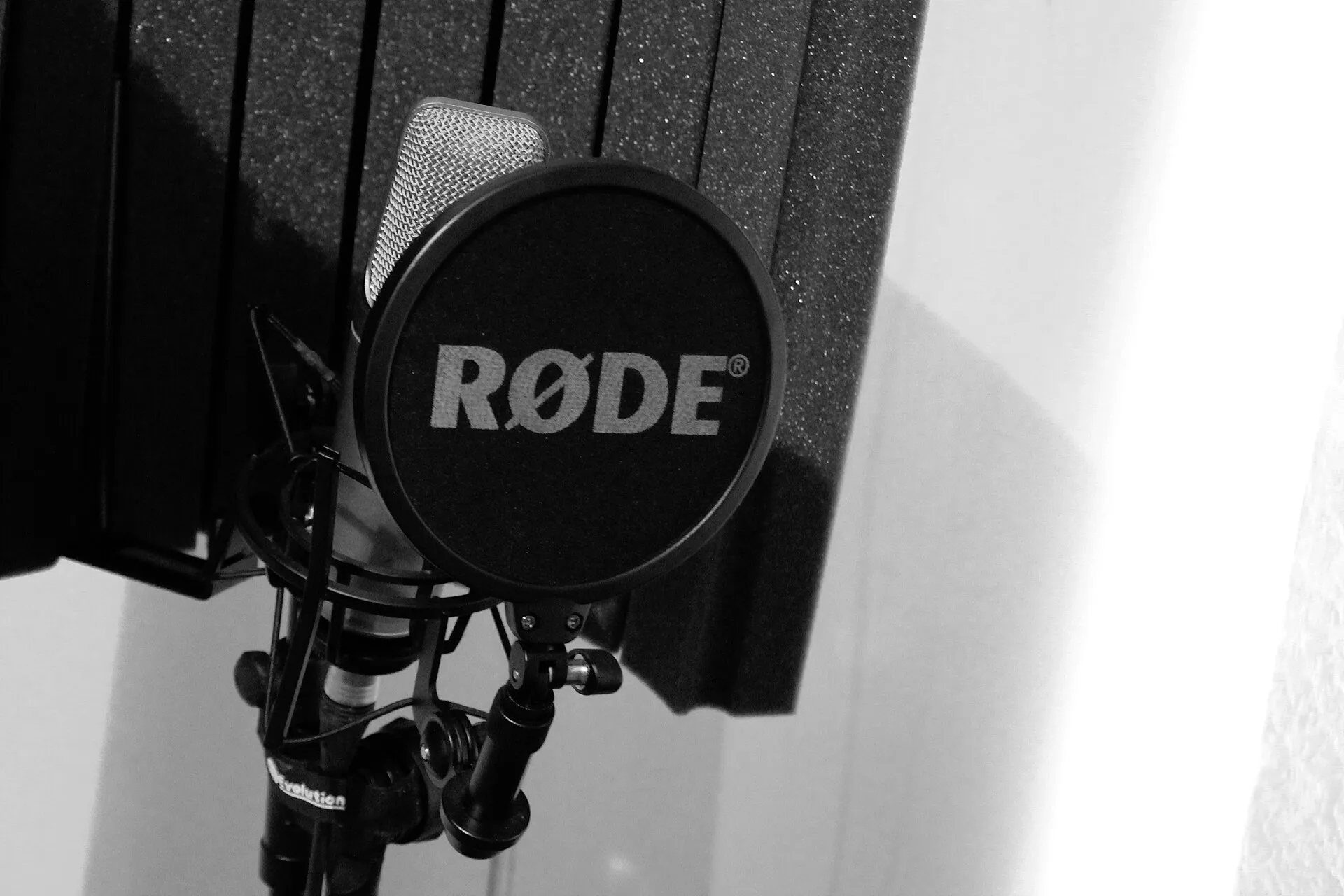
A condenser microphone on stage is justified in three cases: very soft vocals that need finesse, acoustic instruments such as classical guitar or violin, and intimate concerts where the overall volume stays low and the audience is silent.
In these situations, the condenser brings a clarity and a naturalness impossible to achieve with a dynamic. Be careful however with placement: keep a reasonable distance, move noise sources away and check that the console really supplies the 48 V phantom power. When in doubt about the PA, a dynamic microphone remains safer.
What is the best microphone for a powerful voice or for a singer who moves around?
For a powerful voice or a singer who moves around a lot, the dynamic microphone is essential. It accepts very high levels without distorting, and its tight directivity limits sound variations when the singer turns their head or moves away from the capsule.
Singers who hold the microphone in hand and move around the stage need a rugged, predictable microphone. A condenser on a stand would suit poorly: the slightest change in distance changes the tone, and the risk of feedback increases as soon as the singer passes in front of a loudspeaker. If feedback is your main fear, read our guide to avoiding feedback at a concert.
How to position and set up your microphone properly on stage?
Place the microphone a few centimeters from the lips, slightly off to one side to avoid pops, and set the gain on the console so that the level reaches around minus 12 decibels without ever touching the red. Keep the loudspeakers in front of the microphone, never behind.
If you use a microphone stand, position it stably and check the angle before the concert. For a singer who also plays an instrument, a dynamic microphone with a natural sound and good rejection of lateral noise avoids having to lower the gain and bring up the stage noise.
How much does a good stage microphone cost?
The budget for a stage microphone is divided into three ranges. At the entry level, there are very decent dynamic microphones for rehearsals and first stages. In the mid range, the models most widespread among professionals offer a clear sound, a solid build and excellent feedback rejection. At the top of the range, the reference microphones of major tours bring a superior finish and an even more accurate sound.
The good news: an excellent stage dynamic microphone does not require a huge budget. Better a good, well-chosen dynamic than a fragile entry-level condenser poorly suited to live use. The microphone is the element that carries your voice: it is the first item to invest in, before cables and accessories.
What you need to remember
- ✔ Stage = dynamic: rugged, feedback-resistant, no power needed, ideal for live vocals.
- ✔ Studio = condenser: more sensitive and accurate, but fragile and demanding on the recording.
- ✔ Cardioid directivity: choose a microphone that rejects the sound coming from behind.
- ✔ Phantom power: essential for any condenser, supplied by the console or the interface.
- ✔ Hold the mic close: a few centimeters from the lips for a good level and less feedback.
FAQ - Dynamic or condenser microphone for the stage
Can you use a condenser microphone at a concert?
Yes, at quiet concerts, for soft vocals or acoustic instruments, with phantom power and careful placement. In a noisy venue or at an electric concert, the dynamic remains safer.
Is the dynamic microphone worse than the condenser?
No, it is simply different. It is less sensitive to details but more rugged and better suited to high sound pressure levels. On stage, it is often the most effective.
Do you need phantom power for a dynamic microphone?
No, a dynamic microphone works without phantom power. This is an advantage live: it works on any mixing console, even as a fallback.
Which microphone for a stage voice on a small budget?
An entry-level or mid-range cardioid dynamic microphone is the best value for money to start on stage. Test it in rehearsal before adopting it.
Dynamic or condenser microphone for acoustic guitar at a concert?
At a concert, a dynamic microphone or a contact microphone is simpler and avoids feedback. In the studio or at a very quiet concert, a condenser will give a more open sound.
How to avoid feedback with a sensitive microphone?
Place the loudspeakers in front of the microphone, reduce the volume of the monitors, sing close to the capsule and use a cardioid microphone. A well-used dynamic microphone almost never feeds back.
There you go! We hope this article helped you understand the difference between a dynamic microphone and a condenser microphone for the stage. All you have to do now is browse Green Musicians to find the microphone that matches your voice at the best price.
We offer you a complete catalog of music gear featuring brands from all over the world such as Shure, Sennheiser, AKG, Electro-Voice, Behringer and many more. Whether you are an amateur or a professional musician, our marketplace is designed to offer you the best of music.
Green Musicians is also the music marketplace where everyone can sell or buy music gear with confidence: new, refurbished and used instruments, but also software, plugins, sheet music and samples.
For any question or comment about this article, or if you would like to suggest an article topic, feel free to leave a comment below.

 What is a looper and how to use it?What is a looper and how to use it? The loop principle, choosing a model, practicing, composing and playing live: the complete beginner's guide.Read more
 How long does it take to learn the drums?How long does it take to learn the drums: first grooves, first songs and independence. The realistic benchmarks and the right practice rhythm.Read more
 Vestax: Japanese legend of DJ equipment and vinyl turntablesVestax, founded in Tokyo in 1977, made DJing history with its revolutionary vinyl turntables and legendary mixers. A look back at the legacy of a cult brand that continues to inspire DJs around the world.Read more
 Hagstrom: Swedish guitars and basses since 1958Hagstrom, Swedish guitar excellence since 1958.Read more
 Altamira: classical and flamenco guitars inspired by Spanish traditionAltamira offers classical, flamenco, gypsy jazz guitars and historical replicas inspired by Spanish tradition. From beginner to concertist, discover authentic lutherie at the right price.Read more
 NoiseWorks VoiceAssist: cleaner vocals in less timeWhat if the next real upgrade to your studio were not a new microphone or a preamp, but time? That is the question NoiseWorks raises with VoiceAssist, a plugin that tackles the least creative part of vocal work: cleanup. Background noise, room reverb,Read more
 How to sound a band rehearsal?How to sound a band rehearsal: gear, speaker placement, volume balance and voice amplification for effective rehearsals that protect your hearing.Read more
 How to get a good stage monitor mix?How to get a good stage monitor mix: gear, console connections, volume settings without feedback and placement tips for musicians.Read more
 Which PA amplifier for a room of 100 people?Which PA amplifier for a room of 100 people: power, speaker types, placement and budget advice to sound your venue properly.Read more
 How to connect your computer to a PA system?How to connect your computer to a PA system: audio interface, cables and console settings, with the fallback solutions and the mistakes to avoid.Read more
Leave a comment