61, 76 or 88 keys: this question comes up constantly among beginners choosing their first keyboard or digital piano. The number of keys influences both price, footprint and ease of playing the repertoire. Here is the clear answer, according to your profile.
How many keys do you need to start?
To start piano seriously, choose 88 keys. To have fun, compose or play in a band, 61 or 76 keys can be enough. The number of keys determines what you can play: the complete piano repertoire requires 88 keys.
What is the difference between 61, 76 and 88 keys?
- 61 keys (5 octaves): compact and light, ideal for synths, mobile music production and playing in a band. Limited for classical piano (the extreme low and high are missing).
- 76 keys (6 and a half octaves): good compromise for playing most pop, rock and variety pieces. Still limited for the complete classical repertoire.
- 88 keys (7 and a quarter octaves): the piano standard. Essential for classical piano, most sheet music and a realistic touch (weighted keyboard).
Are 88 keys really necessary?
Yes if you want to learn piano seriously: most of the classical repertoire and many modern scores use all 88 keys. An 88-key digital piano is now affordable in all ranges, no reason to do without it.
Are 61 keys enough to play piano?
To discover and have fun, yes. To learn piano under good conditions, no: 61 keys limit the repertoire and generally do not offer weighted keys. If the goal is piano, go for 88 keys from the start.
76 keys: a good compromise?
Yes, the 76-key model is a good compromise for those who want to play variety, rock or pop without the footprint. It covers almost all of the modern repertoire. But for classical piano and serious practice, 88 keys remains recommended.
Why choose a 61-key keyboard?

The 61-key model is chosen for lightness, price and versatility: synthesizers, arranger keyboards, MIDI controllers for music production. It is the standard format of synths. If you mainly do composition, electronic music or band playing, the 61-key is perfect.
Discover our selection of MIDI controllers if your goal is music production.
Which keyboard for a child: 61, 76 or 88 keys?
For a child taking piano lessons, 88 keys from the start. For a child discovering, a 61-key model is acceptable temporarily, but moving to 88 keys must be planned quickly. Our guide digital piano: an essential musical investment details these questions.
Does the number of keys influence the touch?
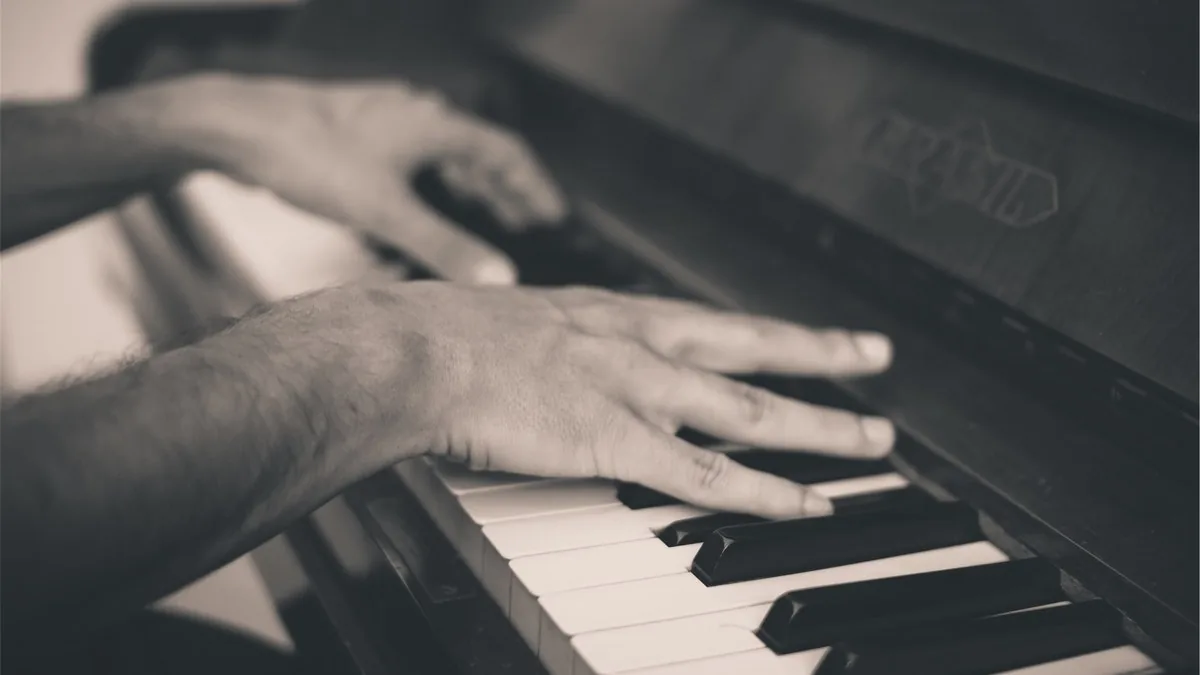
Generally yes: 88 keys are associated with a weighted touch (like an acoustic piano), while 61 and 76 keys often have lighter, unweighted keys. For piano technique, weighted touch is a key criterion, at least as much as the number of keys.
What budget according to the number of keys?
At comparable range, the 88-key model costs more than the 76 and 61. Entry, mid and high ranges exist in all three formats. The best investment for a piano beginner is a mid-range 88-key model.
How to choose between 61, 76 and 88 keys in summary?
- Classical piano, piano lessons, complete repertoire: 88 keys.
- Pop, rock, variety, versatile use: 76 keys (compromise) or 88.
- Synth, music production, band playing, portability: 61 keys.
- Child taking piano lessons: 88 keys.
FAQ - 61, 76 or 88 keys
How many keys does a standard piano have?
A standard piano has 88 keys (52 white and 36 black), i.e. 7 octaves and a third.
Can a 61-key keyboard be used to learn piano?
It allows starting, but limits the repertoire and the touch. To learn piano seriously, the 88-key model is recommended.
Are 76 keys enough for variety and pop?
Yes, the 76-key model covers the vast majority of pop, rock and variety pieces.
Do 61-key keyboards have a weighted touch?
Rarely: 61-key models generally have light keys (synth). Weighted touch is mainly found on 88-key models.
What is the difference between a keyboard and a digital piano?
The digital piano aims to reproduce the piano (88 keys, weighted touch, piano sound). The keyboard (arranger, synth) is more versatile but often has light keys and fewer keys.
How much does an 88-key digital piano cost?
Entry-level models exist at very accessible prices, the mid-range offers the best value for money, and the high-end approaches the touch of an acoustic piano.
To go further, check out the Sampleson Predictor virtual piano on Green Musicians.
Ready to choose your keyboard?
Discover our selection of new and second-hand keyboards and digital pianos
See the digital pianosThat's it! We hope this article helped you choose the right number of keys. All that's left is to browse Green Musicians to find the keyboard or digital piano of your dreams at the best price.
We offer a complete catalog of musical instruments featuring brands from around the world such as Yamaha, Casio, Kawai, Roland, Korg and many more. Whether you are a beginner or a seasoned musician, our marketplace is designed to bring you the best of music.
Green Musicians is also the music marketplace where everyone can buy or sell music gear with confidence: new, refurbished and second-hand instruments, but also software, plugins, sheet music and samples.
For any question or comment about this article, or if you would like to suggest a topic, feel free to speak up below.

 What is a looper and how to use it?What is a looper and how to use it? The loop principle, choosing a model, practicing, composing and playing live: the complete beginner's guide.Read more
 How long does it take to learn the drums?How long does it take to learn the drums: first grooves, first songs and independence. The realistic benchmarks and the right practice rhythm.Read more
 Vestax: Japanese legend of DJ equipment and vinyl turntablesVestax, founded in Tokyo in 1977, made DJing history with its revolutionary vinyl turntables and legendary mixers. A look back at the legacy of a cult brand that continues to inspire DJs around the world.Read more
 Hagstrom: Swedish guitars and basses since 1958Hagstrom, Swedish guitar excellence since 1958.Read more
 Altamira: classical and flamenco guitars inspired by Spanish traditionAltamira offers classical, flamenco, gypsy jazz guitars and historical replicas inspired by Spanish tradition. From beginner to concertist, discover authentic lutherie at the right price.Read more
 NoiseWorks VoiceAssist: cleaner vocals in less timeWhat if the next real upgrade to your studio were not a new microphone or a preamp, but time? That is the question NoiseWorks raises with VoiceAssist, a plugin that tackles the least creative part of vocal work: cleanup. Background noise, room reverb,Read more
 How to sound a band rehearsal?How to sound a band rehearsal: gear, speaker placement, volume balance and voice amplification for effective rehearsals that protect your hearing.Read more
 How to get a good stage monitor mix?How to get a good stage monitor mix: gear, console connections, volume settings without feedback and placement tips for musicians.Read more
 Which PA amplifier for a room of 100 people?Which PA amplifier for a room of 100 people: power, speaker types, placement and budget advice to sound your venue properly.Read more
 How to connect your computer to a PA system?How to connect your computer to a PA system: audio interface, cables and console settings, with the fallback solutions and the mistakes to avoid.Read more
Leave a comment