Laney: tube, solid-state and hybrid amplifiers for guitarists and bassists
Laney is a British instrument amplifier brand founded in 1967 in Birmingham, England. For nearly six decades, this family-run company has designed amps that have accompanied generations of musicians, from beginners to professionals. Whether you're an electric guitarist, bassist or acoustic musician, Laney offers a range of amplifiers covering every need and every budget. At Green Musicians, we offer you a wide choice of Laney amplifiers through the short supply chain, sourced directly from the brand, with an excellent price-to-performance ratio.
In this article, we'll explore the brand's history, its different amplifier ranges, and help you choose the model best suited to your musician profile. Whether you're looking for a small bedroom amp, a powerful tube head for the stage, or a versatile PA system, Laney has something for you.
Key takeaways
- ✔︎ British brand: founded in 1967 in Birmingham by Lyndon Laney
- ✔︎ All technologies: tube, solid-state and hybrid for guitar, bass and acoustic
- ✔︎ Flagship ranges: Lionheart, Ironheart, LX, Cub, Audiohub, Digbeth, Nexus, Richter
- ✔︎ Short supply chain: available at Green Musicians, sourced directly from the brand, great value for money
Quick summary
- Founded: 1967 in Birmingham, England, by Lyndon Laney
- Speciality: tube, solid-state and hybrid amplifiers for guitar, bass and acoustic
- Main ranges: Lionheart, Ironheart, LX, Cub, Audiohub, Digbeth, Nexus, Richter
- Short supply chain: available at Green Musicians, sourced directly from the brand
- Brand page: all Laney amplifiers at Green Musicians
- Flagship products: Ironheart 120W, LX120, Audiohub 300W, Lionheart F67

History of the Laney brand
Laney's story began in 1967, when Lyndon Laney, a young musician from Birmingham, decided to build his own amplifier. Unsatisfied with the amps available on the market at the time, he started designing original circuits in his parents' garage. His reputation quickly grew among local musicians, and the first Laney amps began to be used on the stages of the booming British music scene.
Birmingham was an exceptional musical hotbed at the time. The city gave birth to legendary bands like Black Sabbath, Judas Priest and, later, Napalm Death. This proximity to the metal and heavy rock scene profoundly influenced Laney's philosophy: build robust, powerful amplifiers capable of supporting the most aggressive guitars while retaining crystal-clear definition for melodic passages.
In the 1970s and 1980s, Laney established itself as a reference in the world of rock and metal. The brand's amps were adopted by many professional musicians, and the range expanded to cover every need: from small bedroom combos to power heads for large stages. The brand also innovated with hybrid technologies, combining tubes and transistors to offer the best of both worlds.
Today, Laney continues to design its amplifiers in the United Kingdom, keeping the artisanal spirit of its early days. The brand offers a complete range from affordable entry-level amps to high-end tube heads used by professional musicians around the world. Laney's commitment to sound quality and reliability remains intact, and every amp carries the legacy of nearly sixty years of experience.
The Laney amplifier ranges
Laney offers a wide variety of ranges, each meeting specific needs. Here's a detailed overview of the main ranges available at Green Musicians.
Lionheart: authentic tube sound
The Lionheart range embodies Laney's expertise in tube amplification. These amplifiers are designed to deliver a warm sound rich in harmonics, with exceptional dynamic response. The Laney Lionheart F67 is a representative model of this range, combining vintage aesthetics with modern performance. Lionheart amps are prized by guitarists looking for a "boutique" sound without the exorbitant price usually associated with this type of product.
The Lionheart range stands out with its retro look, its covering and classic cloth grille, but also with its carefully designed electronics. The selected tubes offer natural crunch and a saturated lead with remarkable definition. It's the ideal choice for blues, classic rock and all styles where the guitarist's expressiveness is paramount.
Ironheart: metal in the blood
The Ironheart range is Laney's answer to metal and hard rock guitarists. These tube amplifiers deliver extremely dense and precise saturation, capable of supporting the heaviest riffs while retaining remarkable clarity in chords. The Ironheart 120W tube head is a flagship model, offering enough power for any stage. For those who prefer a more compact version, the Ironheart 60W head offers similar features in a smaller format.
Ironheart amps are designed for musicians playing demanding styles: extreme metal, djent, metalcore, death metal. The saturated channel features a very precise equalizer, allowing you to sculpt a unique personal sound. The built-in boost and effects loop make it a versatile tool for the stage.
LX: versatility at an accessible price
The LX range is probably the most widespread in Laney's catalogue. These solid-state amplifiers offer excellent value for money and are perfect for beginners as well as intermediate musicians. The Laney LX 120W 2x12 with reverb is a powerful combo ideal for rehearsals and small concerts. For beginners, the Laney LX 15W 2x5 is a perfect choice for playing at home.
The LX range also offers intermediate models such as the LX 65W 1x12 with reverb or the LX 20W 1x8 in a red finish. All these models share the same philosophy: offer quality sound with great versatility across styles, from crystal-clear cleans to modern saturation.
Cub: affordable tube sound
The Cub range is an excellent gateway into the world of tube amplifiers. These small amps offer the character and warmth of a tube amp at a very accessible price. The Laney Cub-Super10 and the Cub-Super12 are compact models perfect for home or studio. With their 10 to 15 watts, they deliver a rich, expressive sound at moderate volume, ideal for recording or practising at home.
The Cub range cabinets, such as the Cub-112 and the Cub-212, let you build a modular stack. Combined with a Cub head or preamp, they offer impressive sound projection for their size.
Audiohub: versatile PA
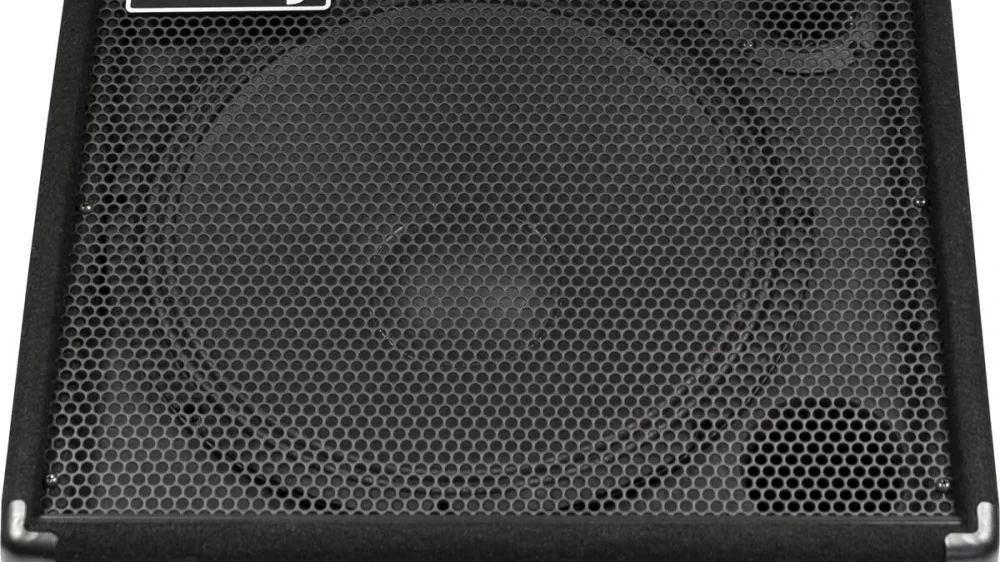
The Audiohub range is dedicated to PA and multi-instrument amplification. These amplifiers are designed to faithfully reproduce the sound of acoustic instruments, keyboards, microphones and even small ensembles. The Laney Audiohub 300W 1x15 is a powerful model capable of covering a small concert venue. For more modest needs, the Audiohub 150W 1x12 is an excellent alternative.
The Audiohub range stands out for its flexibility: multiple channels, combo XLR/Jack inputs, independent EQ per channel, and extended frequency response. It's the ideal choice for multi-instrumentalists, singer-guitarists and small line-ups that need a compact, reliable PA system.
Digbeth and Nexus: for bass
Laney hasn't forgotten bassists. The Digbeth range offers powerful, precise power heads, such as the DB-East model delivering 2x500W. The Nexus range, meanwhile, offers robust, high-performance bass cabinets. These bass amps are designed to deliver a deep, controlled low-end, remarkable definition in the mids, and an imposing stage presence.
Whether you play funk, rock, jazz or metal, Laney bass amps offer the power and clarity needed to support a band in any situation. The Laney bass amp catalogue at Green Musicians covers a wide range of power ratings and configurations.
Buying guide by musician profile
How much does it cost?
- ✔︎ At home: LX 15W or LX 20W, quality sound at a reasonable volume
- ✔︎ Rehearsals: LX 65W or LX 120W 2x12, power and projection
- ✔︎ Affordable tubes: Cub range (Cub-Super10, Cub-Super12) from 10 to 15W
- ✔︎ Stage and studio: Ironheart 120W/60W and Lionheart F67, the high end
Choosing a Laney amp depends on your level, your musical style and your budget. Here are our recommendations by profile.
For the beginner
If you're starting out on electric guitar, an amp from the LX range is the ideal choice. The LX 15W or LX 20W offer quality sound at a reasonable volume for home use. These amps feature several channels (clean and saturated), a built-in reverb and a headphone output for playing without disturbing anyone. They're light, easy to carry and versatile enough to explore all styles.
For the intermediate guitarist
If you already have a few years of practice and are starting to play in a band, a more powerful amp is needed. The LX 65W or LX 120W 2x12 offer the power and projection needed for rehearsals and small stages. If you're drawn to tube sound, the Cub range is an excellent transition: the Cub-Super12 combines tube warmth with power that's playable in a band.
For the professional and the studio
Professional musicians and recording studios will turn to the Ironheart and Lionheart ranges. The Ironheart 120W head is a serious investment for the metal guitarist who performs on stage. Lionheart amps, with their "boutique" sound and refined aesthetics, are perfect for the studio or the demanding musician in search of a rich, nuanced sound.
For the bassist
Bassists will find what they're looking for in the Digbeth and Nexus ranges. Digbeth heads offer impressive power and precise sound control, while Nexus cabinets ensure faithful reproduction of low frequencies. For rehearsals, a combo from the Richter range can also do the job.
For the acoustic musician
Acoustic guitarists and singer-instrumentalists will appreciate the Audiohub range. These versatile amps faithfully reproduce the sound of electro-acoustic guitars, vocal microphones and keyboards. The Laney Acoustic 120W 2x8 is specially designed for acoustic instruments, with dedicated features such as the feedback killer and adapted EQs.

Checklist before buying
- ✔︎ Power: 10-20W at home, 30-65W for rehearsals, 100W and up on stage
- ✔︎ Style: metal → Ironheart; blues and classic rock → Lionheart; versatile → LX
- ✔︎ Bassist: dedicated Digbeth, Nexus and Richter ranges, never a guitar amp for bass
- ✔︎ Short supply chain: brand-new, authentic product with the manufacturer's warranty
The short supply chain: why choose Laney at Green Musicians
At Green Musicians, we have chosen to offer Laney amplifiers through the short supply chain, with products sourced directly from the brand. What does this mean concretely for you? The short supply chain is a direct sourcing model that eliminates unnecessary middlemen between the manufacturer and the final consumer. This allows us to offer you more advantageous prices while guaranteeing the authenticity and quality of the products.
By buying a Laney amp at Green Musicians, you benefit from several advantages. First, competitive prices thanks to our short-supply-chain model. Then, a wide choice of models, from small bedroom amps to professional power heads. You also get the guarantee of an authentic, brand-new product with the manufacturer's warranty. Finally, you support a fairer and more transparent business model.
Find all the Laney amplifiers available on our dedicated brand page, or explore the different ranges via our Laney amp search.
FAQ: your questions about Laney amplifiers
What's the difference between a tube amp and a solid-state amp?
Tube amps use electronic valves to amplify the signal, producing a warm sound rich in harmonics with a pleasant natural compression. They also tend to "break up" musically when you push the volume. Solid-state amps, on the other hand, are lighter, more reliable and offer a cleaner sound at low volume. Laney offers both technologies, as well as hybrid models that combine the advantages of each approach.
What power should I choose for my amp?
The power you need depends on the intended use. For playing at home, 10 to 20 watts is more than enough. For band rehearsals, 30 to 65 watts is recommended. For the stage, 100 watts and up are often necessary, especially if you're not mic'd up. Keep in mind that a 15-watt tube amp can be as loud as a 50-watt solid-state amp.
Are Laney amps reliable?
Yes, Laney is renowned for the reliability of its amplifiers. The brand has existed since 1967 and built its reputation on the robustness of its products. Laney amps are used by many professional musicians around the world, on tour and in the studio. As with any amp, regular maintenance (changing tubes, cleaning potentiometers) helps extend the instrument's lifespan.
Can I use a guitar amp for bass?
No, it's not recommended to use a guitar amp to play bass. The low frequencies of the bass can damage the speaker of a guitar amp, which isn't designed to reproduce those frequencies. Laney offers amps specifically designed for bass, in the Digbeth, Nexus and Richter ranges.
Tips for getting the most out of your Laney amp
To get the best out of your Laney amplifier, here are some practical tips. First, take the time to understand the EQ. Every amp has its own character, and the EQ settings (bass, mids, treble) interact differently depending on the channel and volume. Start by setting everything at noon (12 o'clock position) and adjust gradually.
Next, don't underestimate the importance of the guitarist's volume. On a tube amp, the preamp volume (gain) and the power volume (master) interact. To get good natural crunch, try lowering the gain and raising the master volume. For a tight modern saturation, do the opposite.
Also think about where you place your amp. An amp on the floor projects sound differently from an amp at ear height. For rehearsals, try raising your amp to hear your sound better. Finally, invest in a good instrument cable and quality cables for your pedalboard: the signal going into your amp will only be better.
The competition: Laney vs other brands
The amplifier market is competitive, and Laney positions itself against several renowned brands. Marshall, the historic British brand, is its most direct competitor in the rock and hard rock segment. Marshall is renowned for its iconic "British crunch" sound, while Laney stands out for its versatility and often more advantageous price-to-performance ratio.
Orange is another British brand that shares with Laney a heritage of robustness and power. Orange is particularly prized in doom and stoner rock, while Laney shines more in technical metal and shred thanks to its Ironheart range. On the American side, Fender dominates the clean segment with its crystal-clear amps, while Mesa/Boogie and ENGL position themselves in the high-end metal segment.
Laney's strength lies in its ability to offer quality amps at accessible prices, without compromising on reliability. The LX range, in particular, offers a price-to-performance ratio that competitors find hard to match. And for those looking for tube sound without breaking the bank, the Cub range is one of the best options on the market.
The pro tip
On a tube amp, lower the gain and raise the master volume to get natural crunch: it's the opposite of tight, modern saturation. And at rehearsal, always raise your amp to ear height: on the floor, the sound is muffled and you push the volume unnecessarily.
And there you have it! We hope this article made you want to discover or rediscover the Laney universe and its amplifiers. All that's left is to browse Green Musicians to find the Laney amp of your dreams at the best price.
We offer a complete catalogue of musical instruments featuring brands from around the world such as Fender, Gibson, Martin, Taylor, Ibanez and many more. Whether you're an amateur or professional musician, our marketplace is designed to bring you the best of music.
Green Musicians is also the music marketplace where everyone can sell or buy music gear with complete confidence: new, refurbished and used instruments, as well as software, plugins, sheet music and samples.
If you have any questions or comments about this article, or if you'd like to suggest a topic for an article, feel free to speak up below.

 What is a looper and how to use it?What is a looper and how to use it? The loop principle, choosing a model, practicing, composing and playing live: the complete beginner's guide.Read more
 How long does it take to learn the drums?How long does it take to learn the drums: first grooves, first songs and independence. The realistic benchmarks and the right practice rhythm.Read more
 Vestax: Japanese legend of DJ equipment and vinyl turntablesVestax, founded in Tokyo in 1977, made DJing history with its revolutionary vinyl turntables and legendary mixers. A look back at the legacy of a cult brand that continues to inspire DJs around the world.Read more
 Hagstrom: Swedish guitars and basses since 1958Hagstrom, Swedish guitar excellence since 1958.Read more
 Altamira: classical and flamenco guitars inspired by Spanish traditionAltamira offers classical, flamenco, gypsy jazz guitars and historical replicas inspired by Spanish tradition. From beginner to concertist, discover authentic lutherie at the right price.Read more
 NoiseWorks VoiceAssist: cleaner vocals in less timeWhat if the next real upgrade to your studio were not a new microphone or a preamp, but time? That is the question NoiseWorks raises with VoiceAssist, a plugin that tackles the least creative part of vocal work: cleanup. Background noise, room reverb,Read more
 How to sound a band rehearsal?How to sound a band rehearsal: gear, speaker placement, volume balance and voice amplification for effective rehearsals that protect your hearing.Read more
 How to get a good stage monitor mix?How to get a good stage monitor mix: gear, console connections, volume settings without feedback and placement tips for musicians.Read more
 Which PA amplifier for a room of 100 people?Which PA amplifier for a room of 100 people: power, speaker types, placement and budget advice to sound your venue properly.Read more
 How to connect your computer to a PA system?How to connect your computer to a PA system: audio interface, cables and console settings, with the fallback solutions and the mistakes to avoid.Read more
Leave a comment