Synthesizer or digital piano: two very different instruments that look alike at first glance. Here is the direct answer: the digital piano reproduces the sound and the touch of an acoustic piano; the synthesizer creates electronic sounds and modifies them freely. Here is how to choose according to your needs.
What is the difference between a synthesizer and a digital piano?
The main differences: the digital piano has a realistic weighted key action (like an acoustic piano) and reproduces piano sounds (and other instruments); the synthesizer has a lighter keyboard (often unweighted) and creates electronic sounds (basses, leads, pads, effects) using oscillators, filters and envelopes. The digital piano means playing piano; the synthesizer means creating sounds.
What is a digital piano used for?
A digital piano is used to play the piano: it faithfully reproduces the sound, the touch and the sensitivity of an acoustic piano, with 88 weighted keys, several piano sounds (grand, upright, period), polyphony and often learning features (metronome, lessons, recording). Ideal for learning the piano, working on the classical repertoire or playing in a group without the maintenance of an acoustic piano.
What is a synthesizer used for?
A synthesizer is used to create sounds: it generates electronic sounds using oscillators (basic sounds), filters (frequencies) and envelopes (how the sound evolves over time). It is used to play leads, basses, pads, layers and effects in electronic music, rock, pop and film music. It allows you to shape a unique sound, impossible with a piano.
Digital piano or synthesizer to start with?
To start music (and the piano in particular), the digital piano is recommended: weighted key action, realistic sound, natural progression towards the acoustic piano. To start electronic music or modern keyboards, the synthesizer is more suitable: sound creation, effects, loops. The most important thing: if you want to play the piano (classical, jazz), choose a digital piano; if you want to produce (electronic, pop), choose a synthesizer. Our guide what is a DAW completes the topic for production.
Can you play piano on a synthesizer?
Yes, you can play piano notes on a synthesizer, but: the keyboard is generally not weighted (not the same touch sensitivity), the built-in piano sound is often basic, and the polyphony can be limited. A synthesizer can serve as a working keyboard, but to learn the piano in good conditions, a digital piano (or a master keyboard with a good virtual piano) is preferable.
What is best for electronic music?
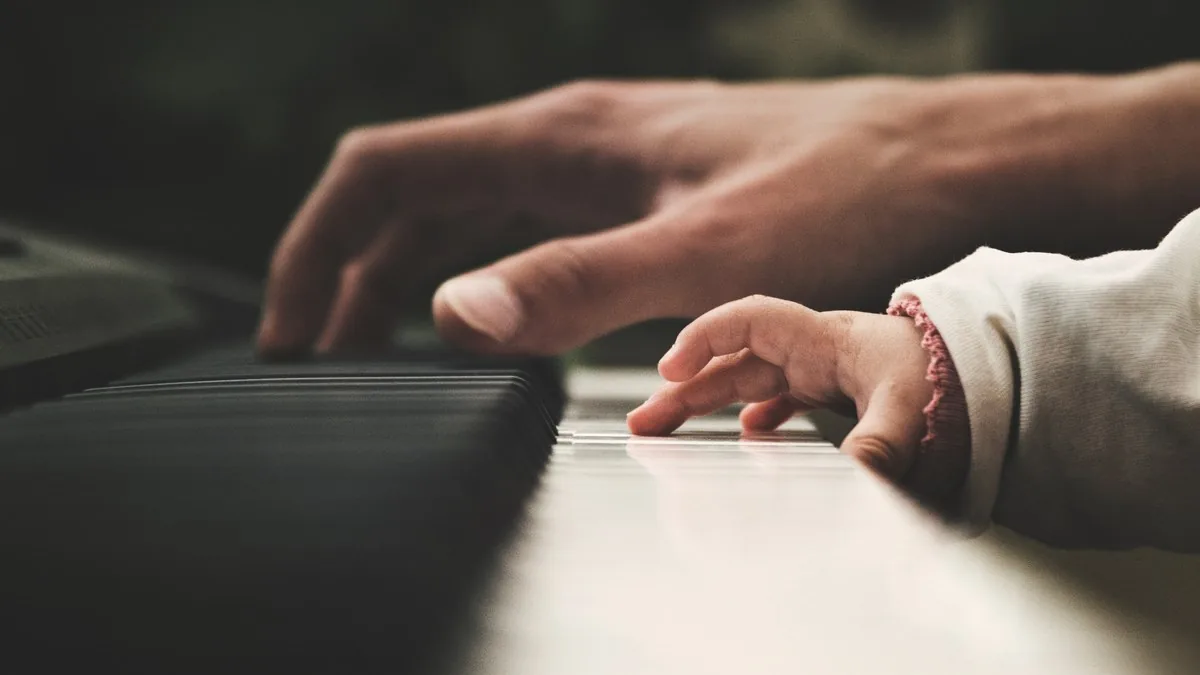
For electronic music, the synthesizer is essential: it allows you to create the characteristic sounds (basses, leads, pads, arpeggios) and modulate them live. Software synthesizers (VST) such as Sampleson Predictor complement the hardware. A digital piano can serve as a master keyboard to drive this software, but sound creation is the role of the synthesizer.
What is the price difference between a synthesizer and a digital piano?
At beginner level: an 88-key weighted digital piano (Yamaha P-145, Roland FP-30X, Kawai ES120) is entry-level to mid-range; a beginner synthesizer (Yamaha Reface, Arturia MiniBrute, Korg Minilogue) is entry-level; a professional synthesizer (Moog, Sequential, Nord) is high-end. Refurbished instruments allow you to save a significant amount: discover our refurbished keyboards.
Can you use a synthesizer as a digital piano?
A synthesizer can replace a digital piano if: it has a 61+ key keyboard (ideally 88), touch sensitivity (velocity), a good piano sound and sufficient polyphony (64+ notes). "Workstations" and some modern synthesizers include convincing pianos. But for serious piano learning, the weighted key action of the digital piano remains superior.
Which instrument should you choose for composing?
For composing, a synthesizer or a workstation is more versatile: you create sounds, loops, arrangements and even complete tracks. The digital piano excels at composing at the piano (harmonic work, melody, accompaniment). Many composers use both: a piano for the foundation, a synth for the sonic colours. Start with the instrument that matches your style.
FAQ - Synthesizer vs digital piano
What is the difference between a synthesizer and a digital piano?
The digital piano reproduces an acoustic piano (weighted key action, realistic sound); the synthesizer creates editable electronic sounds.
Which instrument should a beginner choose?
Digital piano to play the piano, synthesizer for electronic music. It all depends on your goal.
Can you play piano on a synthesizer?
Yes, but without a weighted key action or a faithful piano sound: to learn the piano, a digital piano is preferable.
Which one is cheaper?
The synthesizer starts at entry-level prices, the 88-key weighted digital piano costs more.
Which instrument for electronic music?
The synthesizer, which creates the characteristic sounds. VSTs complement the hardware.
Can a synthesizer replace a digital piano?
For occasional use, yes (61+ keys, velocity, good built-in piano); for serious learning, no: the weighted key action is superior.
Ready to find your keyboard?
Discover our digital pianos, synthesizers and master keyboards
View keyboardsAnd there you have it! We hope this article helped you understand the difference between a synthesizer and a digital piano. All that's left is to browse Green Musicians to find the keyboard of your dreams at the best price.
We offer a complete catalogue of keyboards featuring brands from all over the world such as Yamaha, Roland, Kawai, Korg, Moog and many more. Whether you are a beginner or an experienced musician, our marketplace is designed to bring you the best of music.
Green Musicians is also the music marketplace where everyone can buy or sell music gear with confidence: new, refurbished and second-hand instruments, as well as software, plugins, sheet music and samples.
For any question or comment about this article, or if you would like to suggest an article topic, feel free to leave a comment below.

 What is a looper and how to use it?What is a looper and how to use it? The loop principle, choosing a model, practicing, composing and playing live: the complete beginner's guide.Read more
 How long does it take to learn the drums?How long does it take to learn the drums: first grooves, first songs and independence. The realistic benchmarks and the right practice rhythm.Read more
 Vestax: Japanese legend of DJ equipment and vinyl turntablesVestax, founded in Tokyo in 1977, made DJing history with its revolutionary vinyl turntables and legendary mixers. A look back at the legacy of a cult brand that continues to inspire DJs around the world.Read more
 Hagstrom: Swedish guitars and basses since 1958Hagstrom, Swedish guitar excellence since 1958.Read more
 Altamira: classical and flamenco guitars inspired by Spanish traditionAltamira offers classical, flamenco, gypsy jazz guitars and historical replicas inspired by Spanish tradition. From beginner to concertist, discover authentic lutherie at the right price.Read more
 NoiseWorks VoiceAssist: cleaner vocals in less timeWhat if the next real upgrade to your studio were not a new microphone or a preamp, but time? That is the question NoiseWorks raises with VoiceAssist, a plugin that tackles the least creative part of vocal work: cleanup. Background noise, room reverb,Read more
 How to sound a band rehearsal?How to sound a band rehearsal: gear, speaker placement, volume balance and voice amplification for effective rehearsals that protect your hearing.Read more
 How to get a good stage monitor mix?How to get a good stage monitor mix: gear, console connections, volume settings without feedback and placement tips for musicians.Read more
 Which PA amplifier for a room of 100 people?Which PA amplifier for a room of 100 people: power, speaker types, placement and budget advice to sound your venue properly.Read more
 How to connect your computer to a PA system?How to connect your computer to a PA system: audio interface, cables and console settings, with the fallback solutions and the mistakes to avoid.Read more
Leave a comment