
Cart
There are no more items in your cartBlog categories
- Guitar and Bass (143)
- Marcas (294)
- Battery and percussion (37)
- Buying guides for musicians (243)
- Keyboard and synthesizer (26)
- Wind instruments (24)
- Beatmaking and DJing (33)
- Studio (133)
- Software and plugin (168)
- Live (30)
- Song (12)
- Artists' interviews (5)
- Promotion and Career (1) click
- Free Software and Good Deals (1)
Search in blog
Popular posts
 FL Studio 2026: What's New, Features and Complete GuideFL Studio 2026 is the biggest update of the year: Fruity Slicer 2, Emphasizer, redesigned FLEX, FL Cloud Pro with 12 new plugins, and more. Free for existing owners thanks to Lifetime Free Updates.Read more
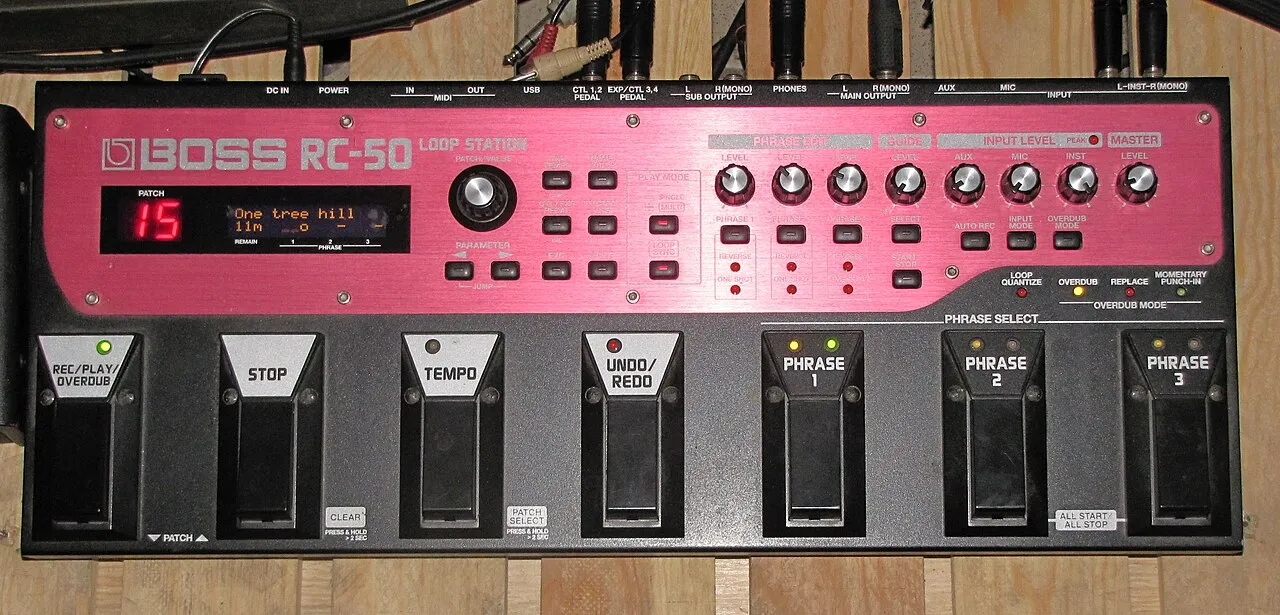 What is a looper and how to use it?What is a looper and how to use it? The loop principle, choosing a model, practicing, composing and playing live: the complete beginner's guide.Read more
 How long does it take to learn the drums?How long does it take to learn the drums: first grooves, first songs and independence. The realistic benchmarks and the right practice rhythm.Read more
 Hagstrom: Swedish guitars and basses since 1958Hagstrom, Swedish guitar excellence since 1958.Read more
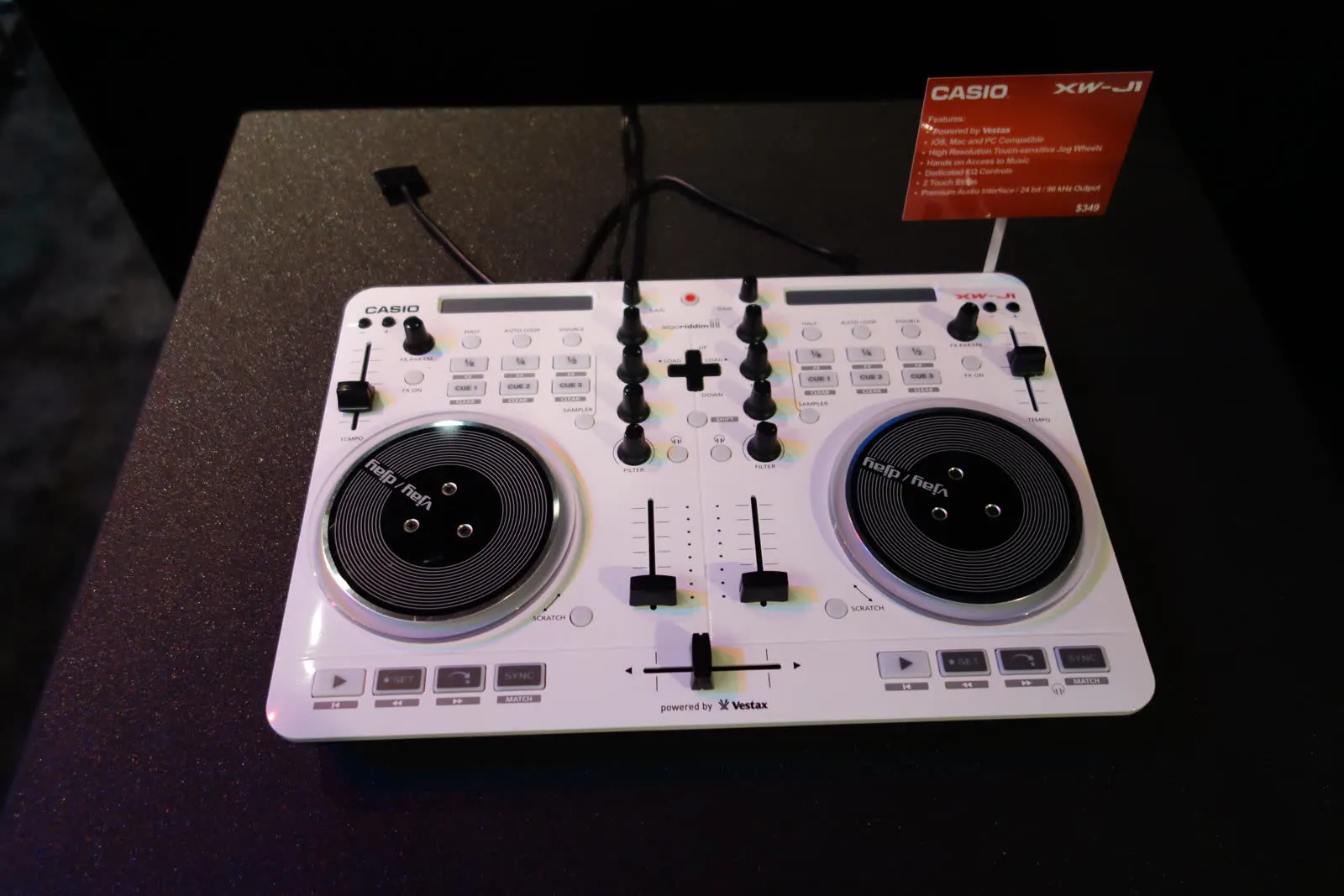 Vestax: Japanese legend of DJ equipment and vinyl turntablesVestax, founded in Tokyo in 1977, made DJing history with its revolutionary vinyl turntables and legendary mixers. A look back at the legacy of a cult brand that continues to inspire DJs around the world.Read more
Featured posts
 Efnote: the electronic drum kit that sounds like an acoustic oneEfnote electronic drums from Hamamatsu: ELISE sensing, mini to PRO, 64 references at Green Musicians.Read more
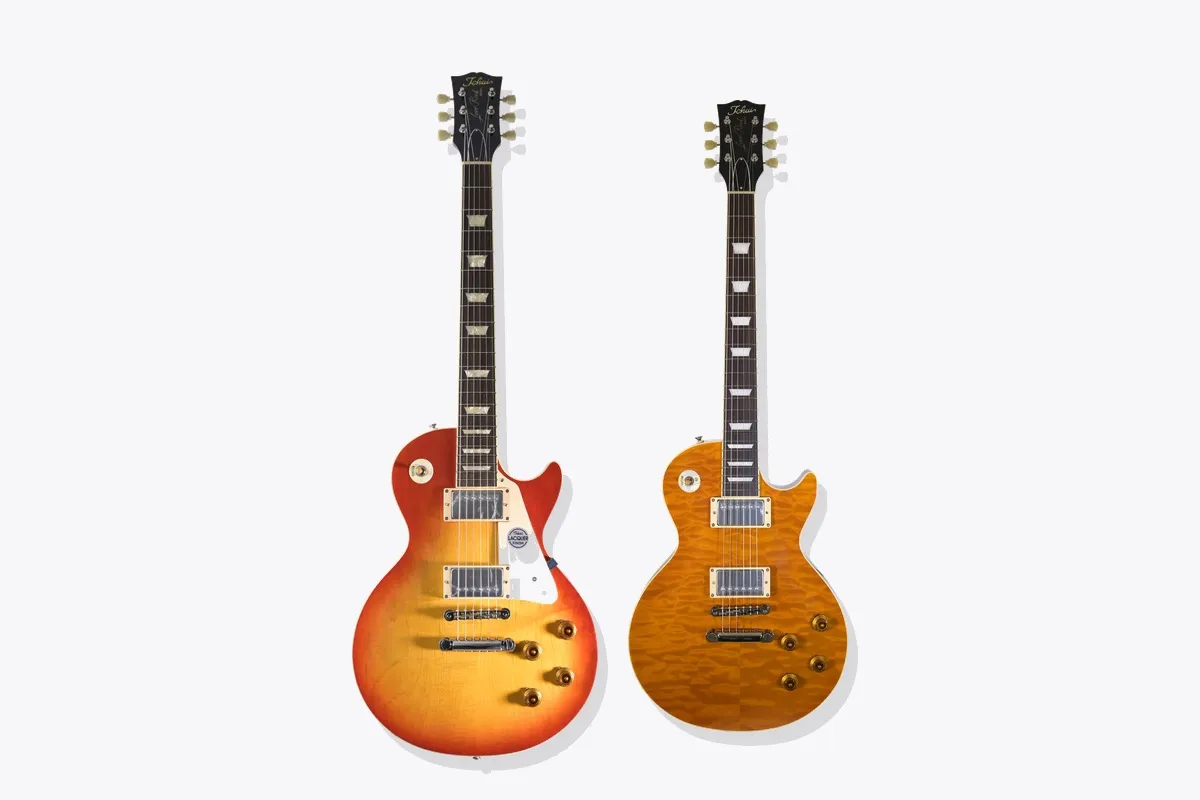
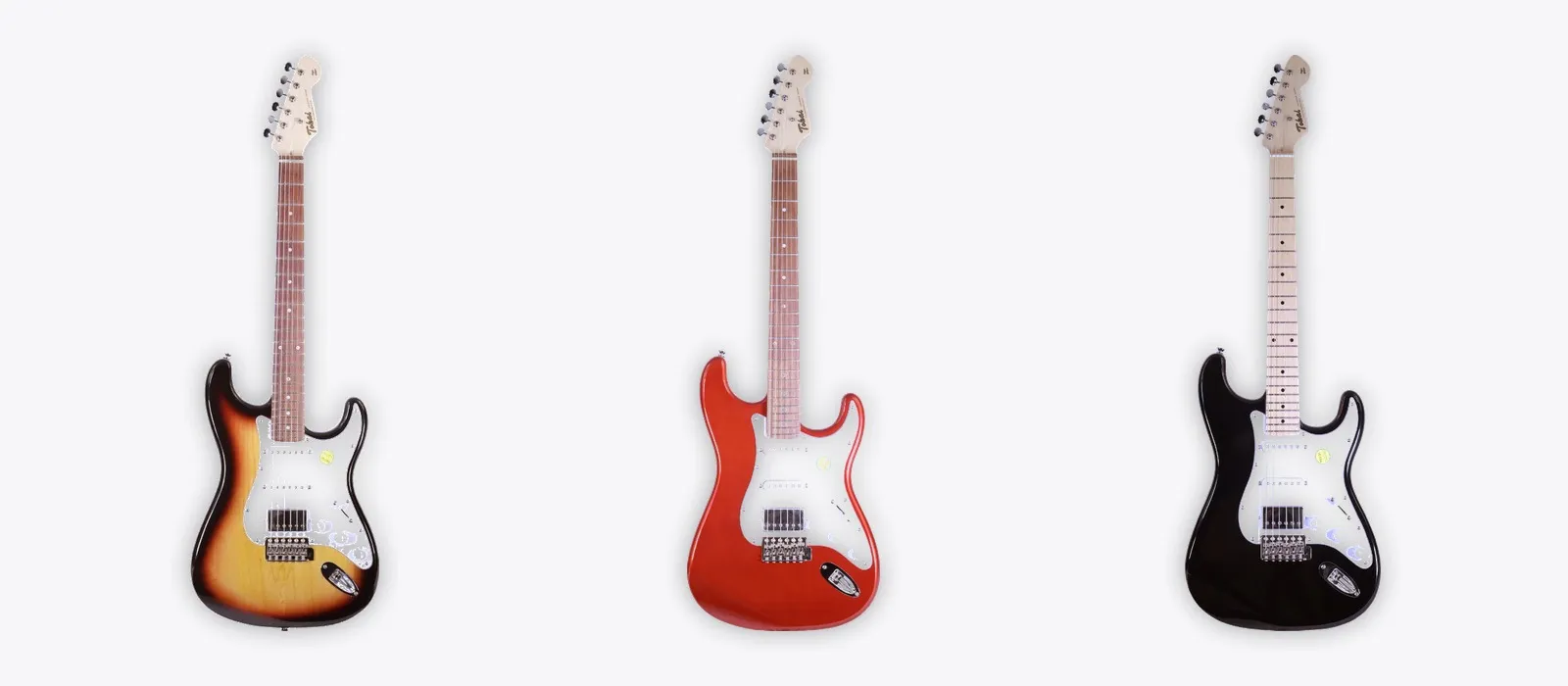
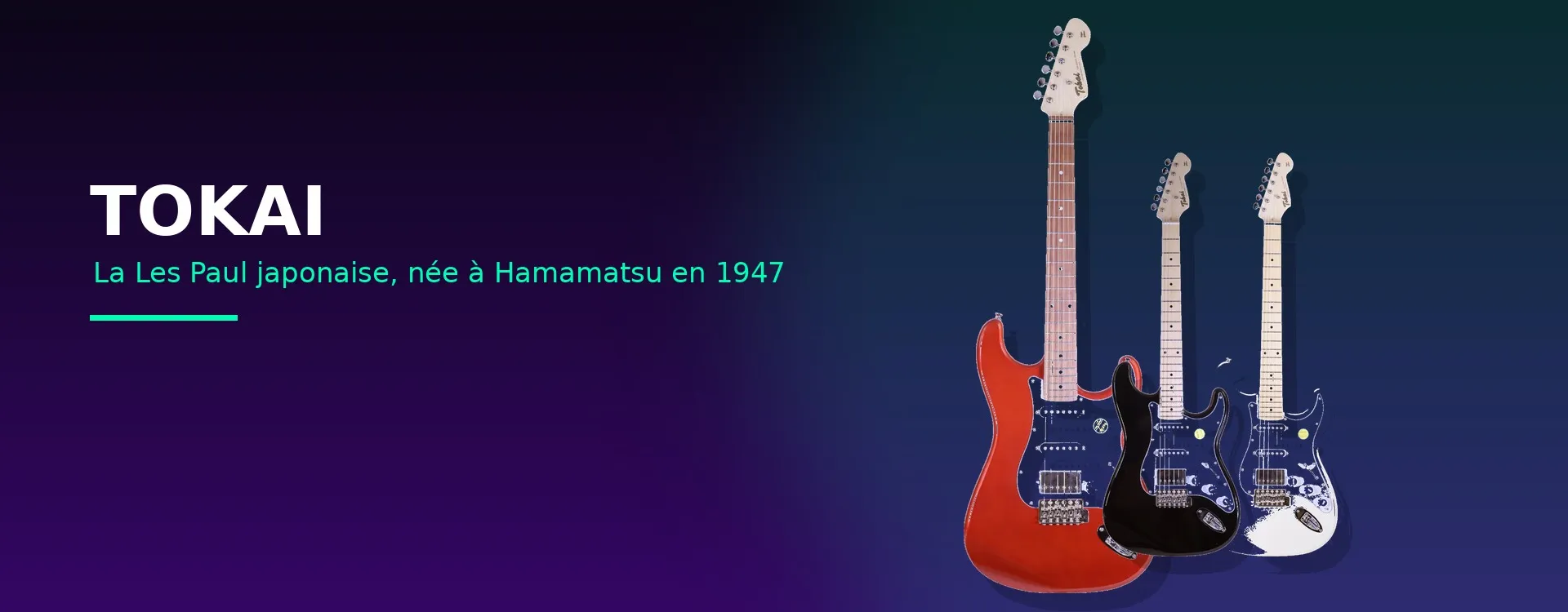 Tokai: the Japanese Les Paul that took on GibsonTokai has been building guitars in Hamamatsu since 1947. Its Love Rock LS, AST and ATE models deliver Les Paul, Stratocaster and Telecaster tones without the vintage price. Discover 102 Tokai references at Green Musicians.Read more
 Flight Ukuleles: the travelling ukulele from SloveniaFlight has been building ukuleles in Slovenia since 2010, from the near-indestructible ABS travel models to the solid-body Centurion. Here is how the ranges fit together, and which one is right for you.Read more
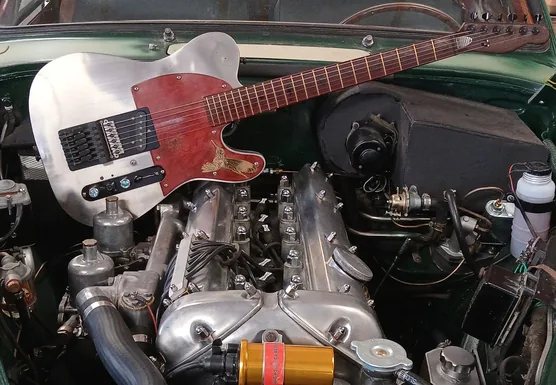 Meeting Ravon Frères, the French luthiers behind the titanium guitarBuilding a titanium guitar, going back to Maccaferri's plans, designing one pickup coil per string: at Ravon Frères, lutherie sits between craft, industry and research. An interview with two brothers from Les Sables-d'Olonne who rethink the instrument without denying its history.Read more
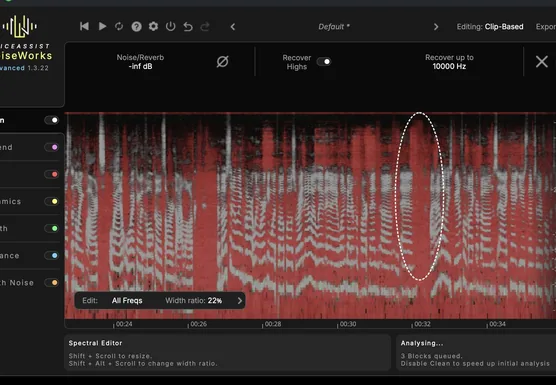 NoiseWorks VoiceAssist: cleaner vocals in less timeWhat if the next real upgrade to your studio were not a new microphone or a preamp, but time? That is the question NoiseWorks raises with VoiceAssist, a plugin that tackles the least creative part of vocal work: cleanup. Background noise, room reverb,Read more

Latest comments