You have just started playing guitar and you are wondering which amp to choose to make progress without blowing your budget or your ears? Good news: there is no need to aim for the high end to get off to a good start. This guide answers all the questions a beginner guitarist asks before buying their first amplifier, and rounds out our advice on choosing your first guitar.
Which amp should a beginner guitarist choose?
To start playing guitar, the best choice is a 10 to 30 watt transistor combo amp, with a clean channel and a drive channel, a simple tone control and a headphone output for playing without disturbing anyone. This type of amp offers an excellent value for money, weighs little and stays very easy to use every day.
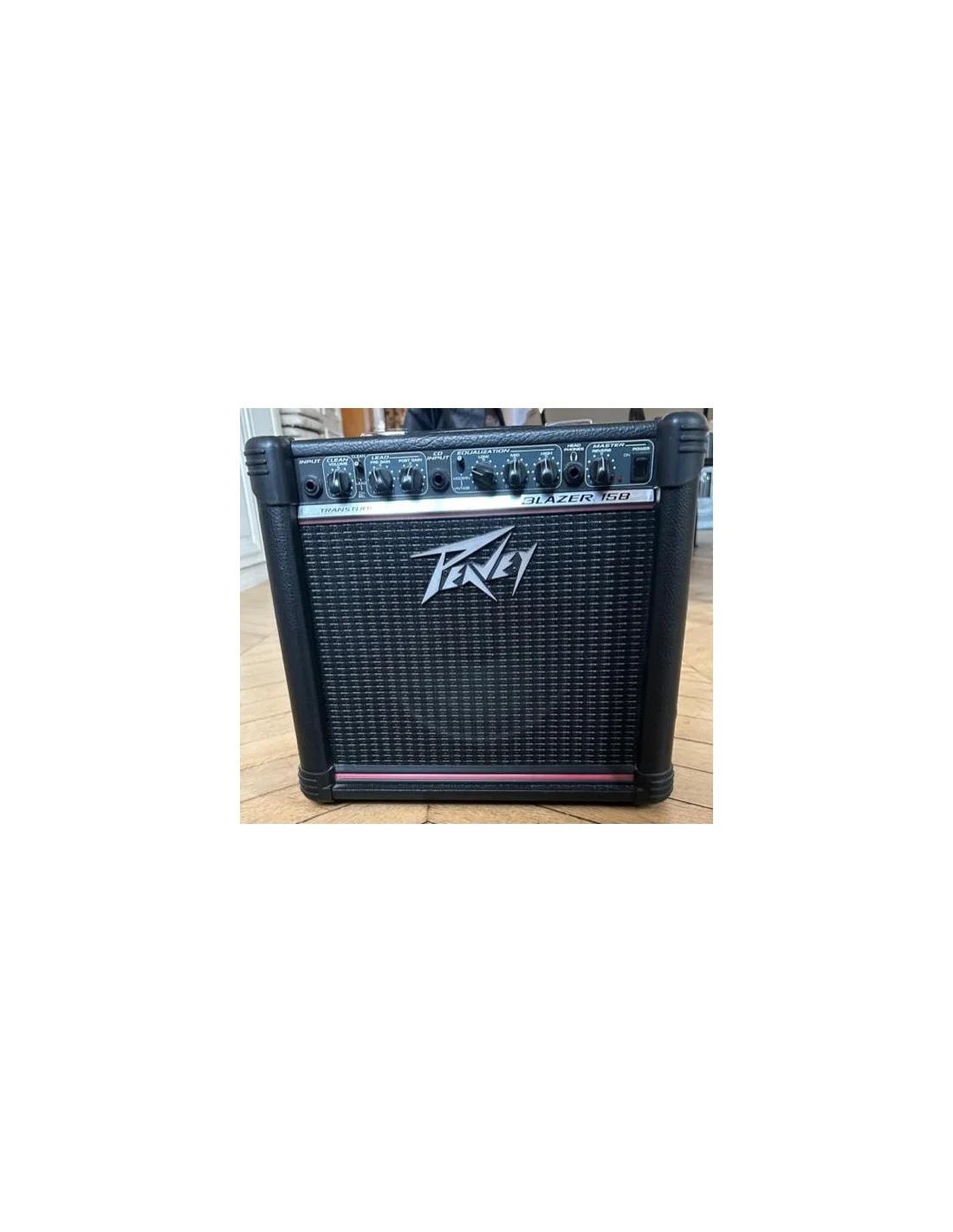
A combo packs the amplifier and the speaker into a single cabinet: it is the most practical solution for a first purchase, since you just plug the guitar in and play. Today, entry-level and mid-range models from the major brands offer very decent sounds, built-in effects and modern connectivity. You can compare the available models using our combo amp search.
Combo amp or head and cabinet?
The combo is recommended for beginners, as it is compact, simple and ready to use right away. A separate amp head and cabinet require a bigger budget, extra cables and a little more space: this setup is mainly justified when you are looking for a precise sound for the stage or for recording.
How much power for playing at home?
For playing in a bedroom or a living room, 10 to 30 watts is more than enough. Power does not increase volume linearly: a 30 watt amp is not three times louder than a 10 watt one. Small models already reach a comfortable volume, and most of them include a headphone output or power attenuation for playing in an apartment. If you are also starting out on choosing the instrument, our guide on the best guitar for beginners will help you put together a coherent setup.
What budget should you plan for a first amp?
You can find excellent entry-level amps at low prices, mid-range models offering more versatility, and high-end amps reserved for demanding guitarists. For a beginner, entry-level and mid-range models cover the vast majority of needs, especially if the amp includes effects and sound simulations.
One simple piece of advice: invest in an amp that makes you want to play every day. A sound you enjoy is the best driver of progress. You can always resell your first amp to move up a level later.
What to remember
- ✔ Type : a transistor combo, simple and versatile.
- ✔ Power : 10 to 30 watts is enough for home use.
- ✔ Comfort : a headphone output and simple controls are recommended.
- ✔ Budget : entry-level and mid-range models cover most needs.
Which settings to get started properly?
Always start with a clean sound: volume at a comfortable level, tone in the middle, no effect. Then gradually add drive to find the grain you like. Ideally, test different positions of the gain and tone knobs while playing simple chords, so you learn to recognize the influence of each setting.
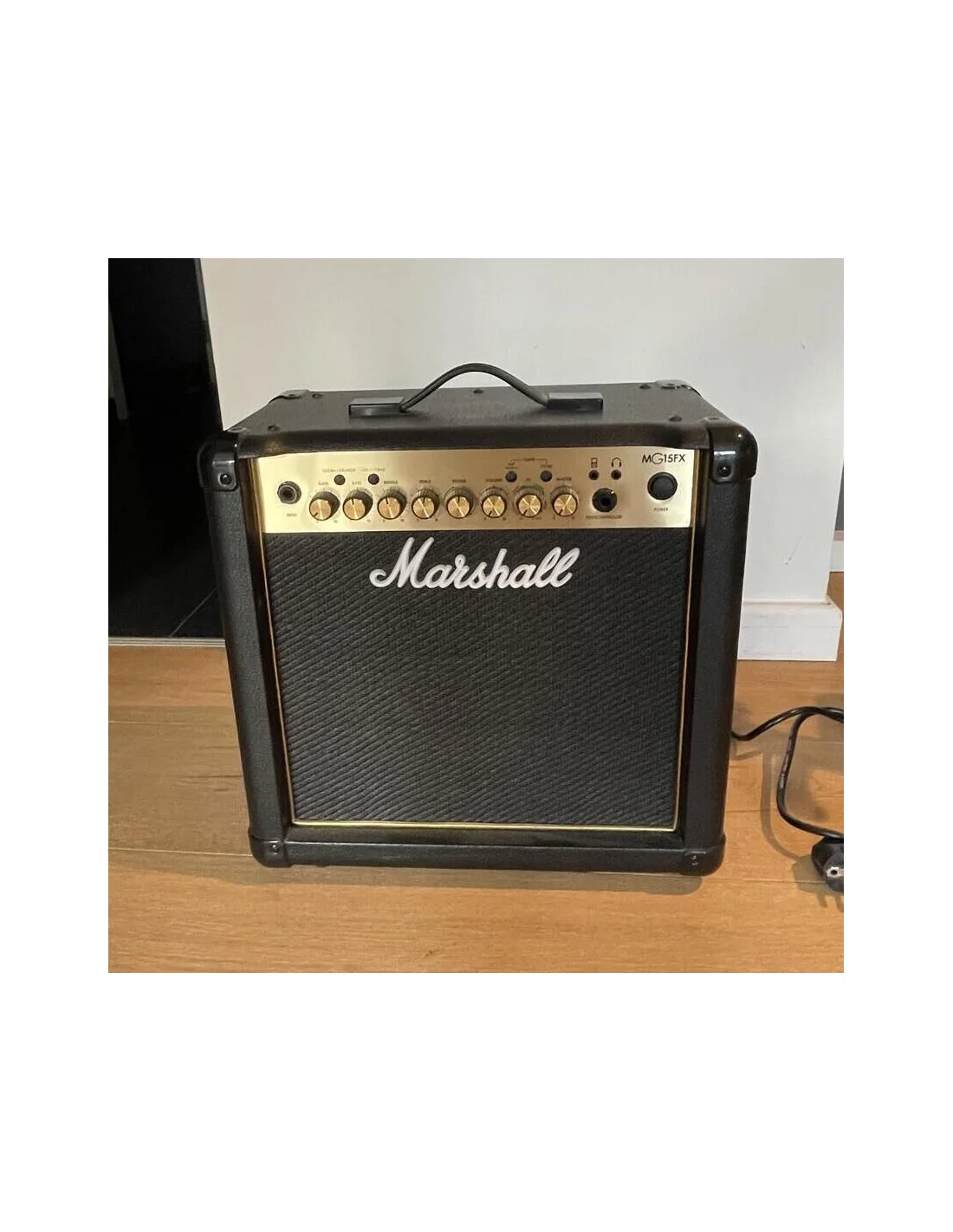
The position of the guitar's volume knob is also a tool: lowering the instrument's volume slightly cleans up the sound without touching the amp. It is a valuable habit that will stay with you throughout your life as a guitarist.
What mistakes should you avoid when choosing your first amp?
The first mistake is buying an amp that is too powerful for where you practice: a big model that can never be pushed will sound worse than a small amp used at its ideal point. The second is neglecting the headphone output when you live in an apartment. Finally, do not let complex controls impress you: when you are starting out, simplicity is a strength.
Also think about accessories: a quality cable and a tuner are part of the starter kit. A good cable prevents crackling, and an in-tune guitar is essential for developing your ear. To find out how long it will take you to play well, read our article on how long it takes to learn the guitar.
🧑💼 The Green Musicians tip
Choose an amp you can use at home and at rehearsal, with at least one drive channel: it is the best compromise for making progress without buying new gear too quickly. If you are hesitating between two models, go for the one whose controls feel the most intuitive.
FAQ - Which amp for a beginner guitarist?
How much amp power does a beginner need?
Between 10 and 30 watts for playing at home, up to 50 watts if you plan group rehearsals. The headphone output remains an important criterion in an apartment.
Do you need a tube amp to start?
No, not necessarily. Transistor amps and modeling models offer excellent sounds for beginners, with more reliability and a more accessible price.
Combo amp or separate head?
The combo is the ideal solution for beginners: everything is built in, it is compact, simple to connect and economical.
Can you plug headphones into a guitar amp?
Many small modern amps have a headphone output, sometimes with speaker simulations, which lets you play silently without losing sound quality.
Are the amp's built-in effects enough to start?
Yes, the built-in effects (ambience, delay, chorus, sometimes various distortions) are perfect for discovering sounds before investing in separate pedals.
Can a bass amp be used for guitar?
Technically possible but not recommended: the sound will lack presence in the midrange, and the amp is not designed for guitar frequencies.
How can you tell if a used amp is in good condition?
Test every input, every knob and every output, listen for crackling from the speaker and check that there is no burnt smell. As with a used guitar, a full test is essential before buying: our guide on checking the condition of a used guitar gives you the complete method.
Ready to find your first amp?
Discover our selection of guitar amps, new, refurbished and used.
See the guitar ampsAnd there you go! We hope this article helped you choose your first amp. All that is left is to browse Green Musicians to find the amplifier that matches your style and your budget.
We offer a complete catalog of musical instruments featuring brands from around the world such as Fender, Gibson, Marshall, Ibanez and many more. Whether you are an amateur or professional musician, our marketplace is designed to bring you the best of music.
Green Musicians is also the music marketplace where everyone can sell or buy music gear with complete confidence: new, refurbished and used instruments, as well as software, plugins, sheet music and samples.
For any question or comment about this article, or if you would like to suggest a topic for an article, feel free to share your thoughts below.

 What is a looper and how to use it?What is a looper and how to use it? The loop principle, choosing a model, practicing, composing and playing live: the complete beginner's guide.Read more
 How long does it take to learn the drums?How long does it take to learn the drums: first grooves, first songs and independence. The realistic benchmarks and the right practice rhythm.Read more
 Vestax: Japanese legend of DJ equipment and vinyl turntablesVestax, founded in Tokyo in 1977, made DJing history with its revolutionary vinyl turntables and legendary mixers. A look back at the legacy of a cult brand that continues to inspire DJs around the world.Read more
 Hagstrom: Swedish guitars and basses since 1958Hagstrom, Swedish guitar excellence since 1958.Read more
 Altamira: classical and flamenco guitars inspired by Spanish traditionAltamira offers classical, flamenco, gypsy jazz guitars and historical replicas inspired by Spanish tradition. From beginner to concertist, discover authentic lutherie at the right price.Read more
 NoiseWorks VoiceAssist: cleaner vocals in less timeWhat if the next real upgrade to your studio were not a new microphone or a preamp, but time? That is the question NoiseWorks raises with VoiceAssist, a plugin that tackles the least creative part of vocal work: cleanup. Background noise, room reverb,Read more
 How to sound a band rehearsal?How to sound a band rehearsal: gear, speaker placement, volume balance and voice amplification for effective rehearsals that protect your hearing.Read more
 How to get a good stage monitor mix?How to get a good stage monitor mix: gear, console connections, volume settings without feedback and placement tips for musicians.Read more
 Which PA amplifier for a room of 100 people?Which PA amplifier for a room of 100 people: power, speaker types, placement and budget advice to sound your venue properly.Read more
 How to connect your computer to a PA system?How to connect your computer to a PA system: audio interface, cables and console settings, with the fallback solutions and the mistakes to avoid.Read more
Leave a comment