Choosing your first saxophone can feel complicated given the alto, tenor and soprano models and the countless brands out there. The good news, however, is simple: there is an ideal choice for the vast majority of beginners. Here is how to choose the saxophone that will help you progress, without going wrong.
Which saxophone should you choose to start with?
The alto saxophone is the recommended choice to start with. It is lighter, more compact and requires less air than the tenor, which makes it far more comfortable for a beginner, whether a child or an adult.
The alto is also the reference instrument in music schools and conservatories: most beginner methods and sheet music are written for it. Its middle register, neither too low nor too high, lets you work on your tone and intonation without excessive difficulty. You will find a wide choice of alto saxophones on Green Musicians, from student models to reference instruments.
Alto, tenor or soprano saxophone: which one to start with?
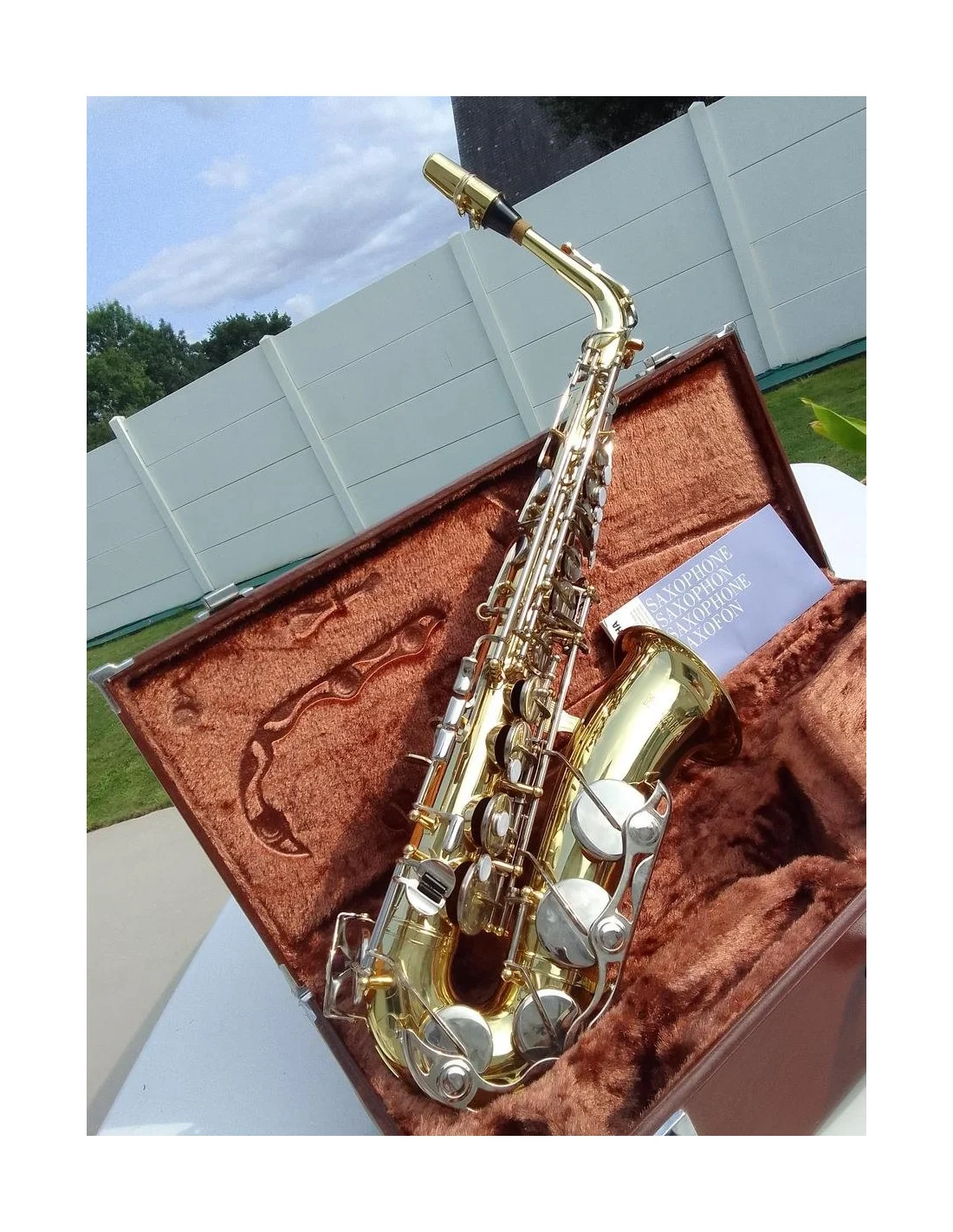
The difference lies in the range and the size. The alto (in E flat) is the most common and the easiest to get used to. The tenor (in B flat) sounds lower and rounder, but it is heavier and requires more breath. The soprano is straight, harder to play in tune and demands a challenging embouchure: reserve it for already experienced saxophonists.
If you are still hesitating, know that almost all teachers steer their beginner students toward the alto. The tenor becomes relevant when you are looking for a specific sound, for jazz or rock for example. Check out our dedicated guide to choose between a new or used tenor saxophone if the tenor appeals to you.
What budget should you plan for a first saxophone?
There are three price ranges. The entry-level range covers student saxophones, perfect for starting without breaking the bank. The mid-range offers better mechanics and a more even tone, a good investment if you plan to play for several years. The high-end range is aimed at advanced and professional musicians.
For a first instrument, an entry-level or mid-range saxophone is more than enough. The key is that the mechanics are reliable and the pads seal properly, two points a technician can check in a few minutes. The Antigua brand is known for its student saxophones with a remarkable quality-to-price ratio, as is Trevor James, whose saxophones are played by a great many students.
New or used: which should you choose to start with?
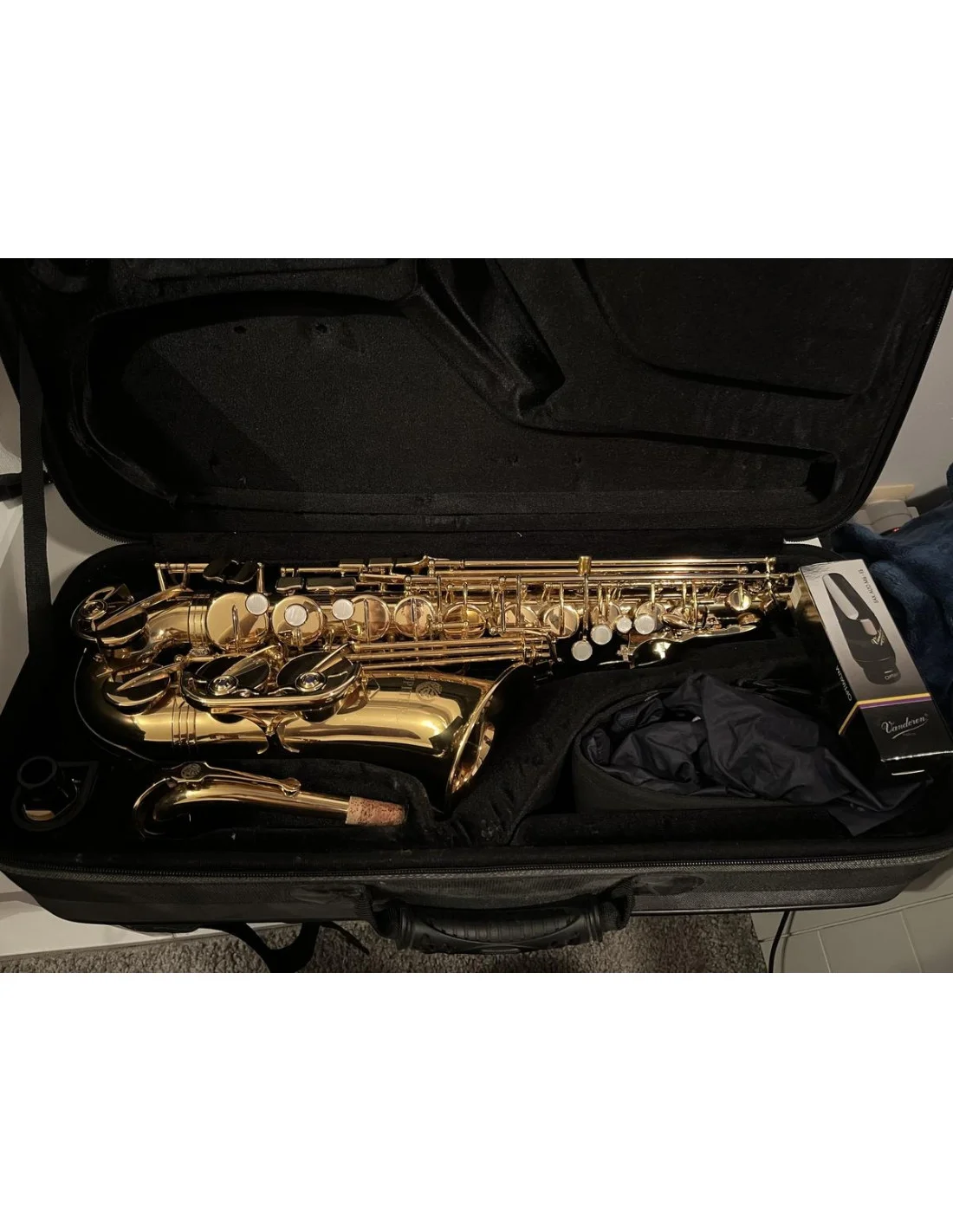
Both options are valid. A new saxophone is guaranteed, with no wear and no adjustment needed. A well-maintained used saxophone lets you access a better model for the same budget, provided you have it checked by a technician before buying.
The pitfall with used instruments is the mechanics: worn pads or tired springs make the instrument hard to play. If you go for a used instrument, favor recent ones and plan a visit to a technician. Green Musicians offers a selection of used saxophones that have been inspected, so you can buy with confidence.
What to remember
- ✔ Alto: the ideal choice to start with, light and universal.
- ✔ Budget: entry-level is enough to get started.
- ✔ Used: a good deal, provided you check the mechanics.
Which accessories are essential from the start?
A saxophone on its own is not enough. You need a mouthpiece and reeds: they are what produce the sound. Synthetic reeds from the Legere brand last much longer than cane reeds, a real plus for a beginner. The ligature holds the reed on the mouthpiece; Rovner models are easy to adjust and very common.
Also plan for a neck strap or a harness to carry the instrument without strain on your neck, a swab to dry the body after each session, and a rigid case for transport. These accessories are easy to find along with your first beginner saxophone.
🧑💼 The Green Musicians tip
Always have your first saxophone adjusted by a technician, even when new. A well-adjusted instrument is easier to play and keeps you from picking up bad breathing habits in the first few weeks.
FAQ - Which saxophone to start with
What is the best saxophone for a beginner?
The alto saxophone is the best choice: lighter, more compact and better suited to learning methods than the tenor or the soprano.
Can you learn the saxophone on your own?
It is possible with methods and videos, but a few lessons with a teacher at the start help you avoid bad embouchure and breathing habits.
How long does it take to play the saxophone?
With regular practice, you can play your first melodies within a few weeks and feel comfortable after one to two years of work.
Is the saxophone hard to learn?
It is one of the most accessible wind instruments: the fingering is logical and the sound comes fairly quickly. Intonation and breath control require consistency.
Straight or curved saxophone to start with?
The curved alto saxophone is the most comfortable to start with. Straight models are mostly sopranos, which are harder to master.
What is the difference between a student and a professional saxophone?
A professional saxophone has more precise mechanics, finer materials and a richer sound. To start with, a reliable student model is more than enough.
Ready to find your first saxophone?
Discover our selection of alto saxophones for every budget
See the alto saxophonesAnd there you go! We hope this article helped you choose your first saxophone. All that is left is to browse Green Musicians to find the instrument of your dreams at the best price.
We offer a complete catalog of musical instruments featuring brands from around the world such as Yamaha, Selmer, Jupiter, Buffet Crampon and many more. Whether you are an amateur or a professional musician, our marketplace is designed to bring you the very best of music.
Green Musicians is also the music marketplace where everyone can sell or buy music gear with complete confidence: new, refurbished and used instruments, as well as software, plugins, sheet music and samples.
For any question or comment about this article, or if you would like to suggest a topic for an article, feel free to share your thoughts below.

 What is a looper and how to use it?What is a looper and how to use it? The loop principle, choosing a model, practicing, composing and playing live: the complete beginner's guide.Read more
 How long does it take to learn the drums?How long does it take to learn the drums: first grooves, first songs and independence. The realistic benchmarks and the right practice rhythm.Read more
 Vestax: Japanese legend of DJ equipment and vinyl turntablesVestax, founded in Tokyo in 1977, made DJing history with its revolutionary vinyl turntables and legendary mixers. A look back at the legacy of a cult brand that continues to inspire DJs around the world.Read more
 Hagstrom: Swedish guitars and basses since 1958Hagstrom, Swedish guitar excellence since 1958.Read more
 Altamira: classical and flamenco guitars inspired by Spanish traditionAltamira offers classical, flamenco, gypsy jazz guitars and historical replicas inspired by Spanish tradition. From beginner to concertist, discover authentic lutherie at the right price.Read more
 NoiseWorks VoiceAssist: cleaner vocals in less timeWhat if the next real upgrade to your studio were not a new microphone or a preamp, but time? That is the question NoiseWorks raises with VoiceAssist, a plugin that tackles the least creative part of vocal work: cleanup. Background noise, room reverb,Read more
 How to sound a band rehearsal?How to sound a band rehearsal: gear, speaker placement, volume balance and voice amplification for effective rehearsals that protect your hearing.Read more
 How to get a good stage monitor mix?How to get a good stage monitor mix: gear, console connections, volume settings without feedback and placement tips for musicians.Read more
 Which PA amplifier for a room of 100 people?Which PA amplifier for a room of 100 people: power, speaker types, placement and budget advice to sound your venue properly.Read more
 How to connect your computer to a PA system?How to connect your computer to a PA system: audio interface, cables and console settings, with the fallback solutions and the mistakes to avoid.Read more
Leave a comment