Cart
There are no more items in your cart- Used
Epiphone, a legendary brand in the guitar world, has always been at the forefront of innovation and quality. Founded in 1873 by Anastasios Stathopoulo, Epiphone started as a modest family business in Greece before establishing itself in the United States. This article explores the rich history of Epiphone, its flagship products, and its undeniable influence in the world of music.
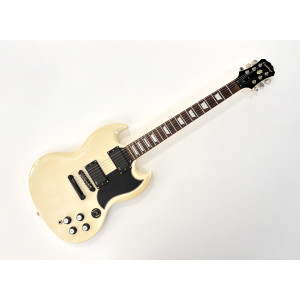
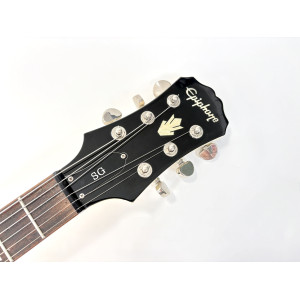
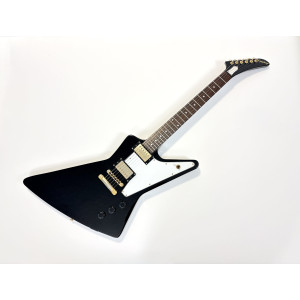
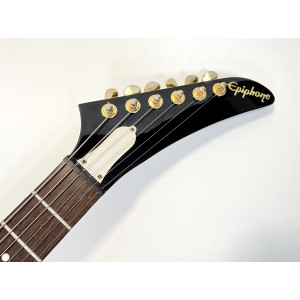
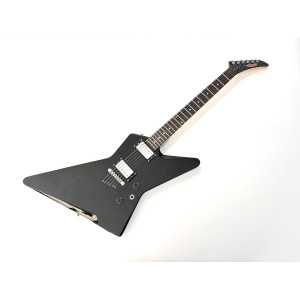
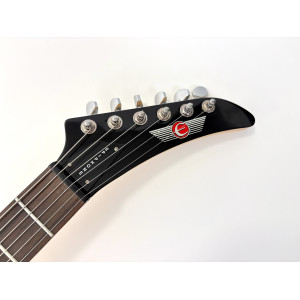
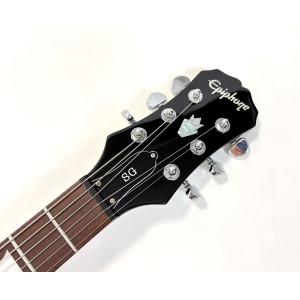
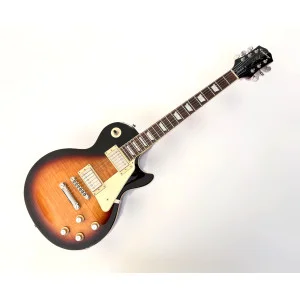
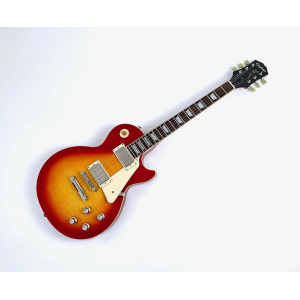
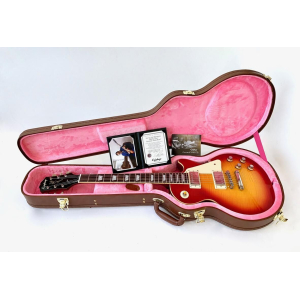
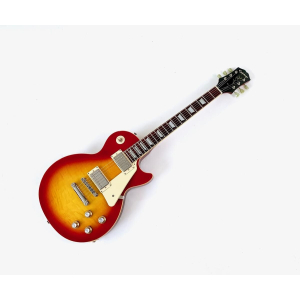
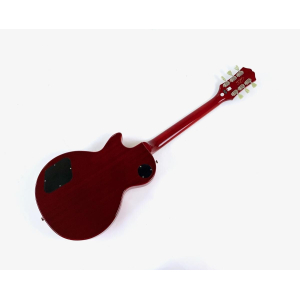
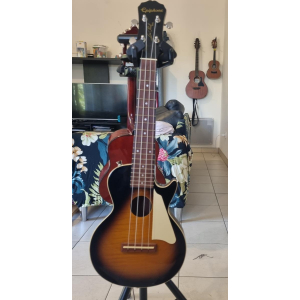
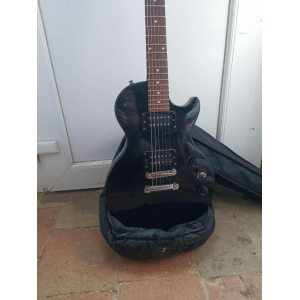
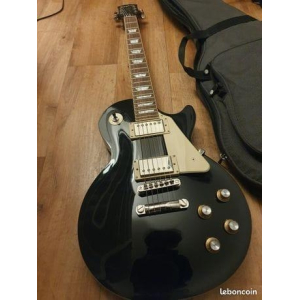
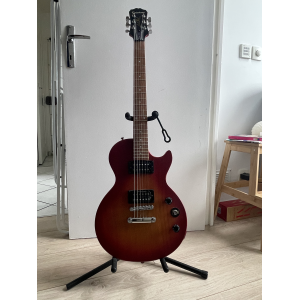
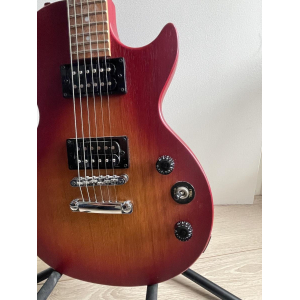
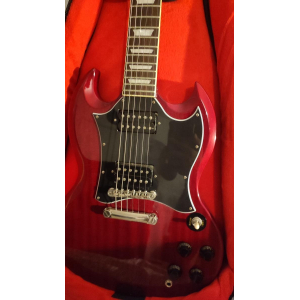
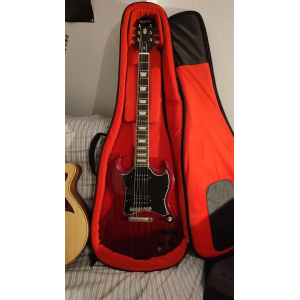
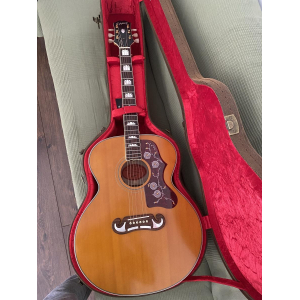
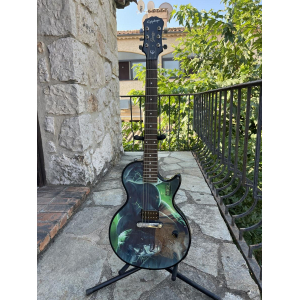
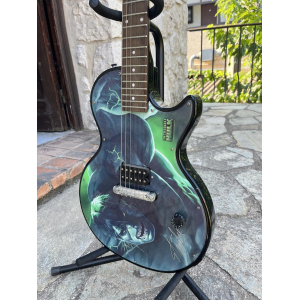
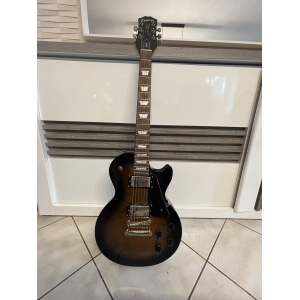
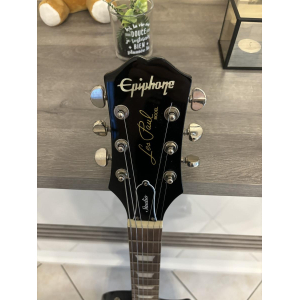
Epiphone, a subsidiary of Gibson, is known for its high-quality guitars that blend tradition and innovation. At Green Musicians, used Epiphone guitars provide an excellent opportunity to own instruments that offer a sound and style similar to Gibson, but at a more affordable price.
The journey of Epiphone began with Anastasios Stathopoulo, a talented instrument maker who opened his own instrument factory in 1890. His son, Epaminondas "Epi" Stathopoulo, revitalized the business in the 1920s, renaming the brand Epiphone. This transformation coincided with the dawn of the jazz and swing music era, during which Epiphone began to make a name for itself with its high-quality guitars and banjos.
In the 1930s, Epiphone made significant strides with the introduction of its Masterbilt series, including the De Luxe, Broadway, and Triumph models. These archtop guitars with their distinctive F-holes and headstocks similar to those of Gibson not only competed with Gibson but also revolutionized guitar design.
The 1930s also saw Epiphone venture into the realm of electric guitars. The development of a pickup with adjustable pole pieces was a breakthrough, contributing to the evolution of the electric guitar. This innovation paved the way for new styles of music and kept Epiphone at the forefront of the music industry.
Epiphone's association with legendary artists helped cement its iconic status. In 1965, during his appearance on The Ed Sullivan Show, Paul McCartney played "Yesterday" with an Epiphone Texan, marking a memorable moment in music history. The Beatles also used Epiphone Casinos on their groundbreaking album "Revolver," showcasing the brand's impact in rock and pop.
In the 1990s, Epiphone continued to be a preferred choice among musicians, as evidenced by the use of its instruments by the band Oasis. The introduction of the Jack Casady signature bass in 1997 demonstrated Epiphone's ongoing commitment to innovation and quality. Later, in the 2000s, bands like The Strokes adopted Epiphone, proving that the brand remained relevant and influential in the new millennium.
In recent years, Epiphone has experienced a renaissance, renewing its commitment to quality and innovation. The brand's relaunch under new ownership by Gibson has seen the return of historic designs and the introduction of new models inspired by Gibson. The return of production to the United States and the release of high-quality guitar models reflect Epiphone's dedication to excellence.
In the world of modern music production, Epiphone guitars are a popular choice in recording studios. Their versatility, sound quality, and affordability make them favored tools among producers and musicians. Whether for studio recordings or live performances, Epiphone provides reliable options for all music genres.
The impact of Epiphone on music is undeniable. From jazz musicians in the 1930s to rockers in the 60s, 90s, and beyond, Epiphone has been there, providing quality instruments that have shaped countless iconic songs. Their commitment to innovation, coupled with a deep appreciation of their heritage, makes Epiphone a brand that continues to inspire and equip musicians worldwide.
Epiphone, with its rich history of over 150 years, remains a pillar in the guitar world. From its humble beginnings in Greece to its current position as an industry leader, Epiphone has survived and thrived through its constant innovation and ability to adapt to changes in the musical world. By offering a combination of quality, history, and affordability, Epiphone is not just a brand, but a living legacy that continues to shape music around the world.