
Cart
There are no more items in your cart
- Supplier Direct
- -15%
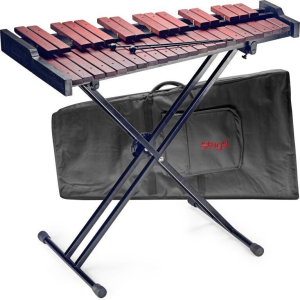
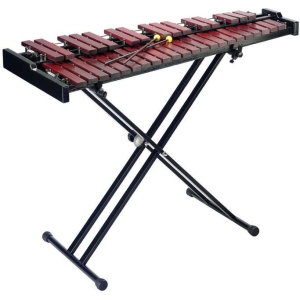
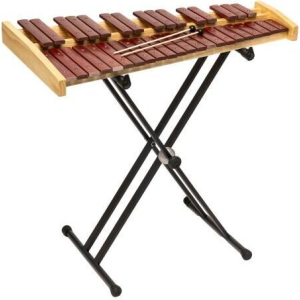
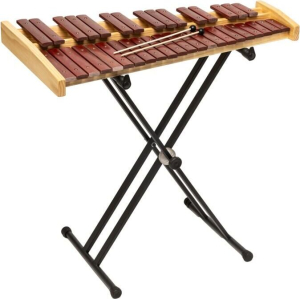
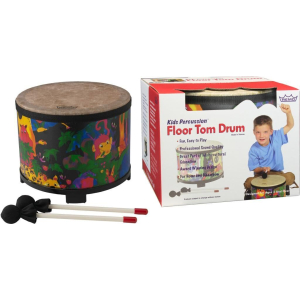
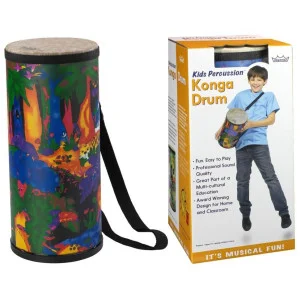
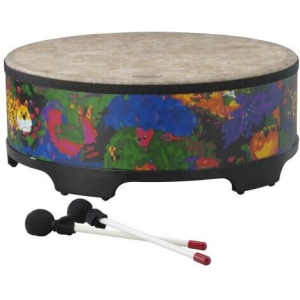
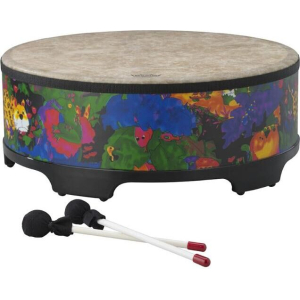
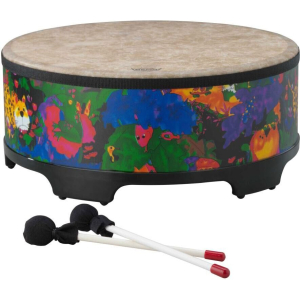
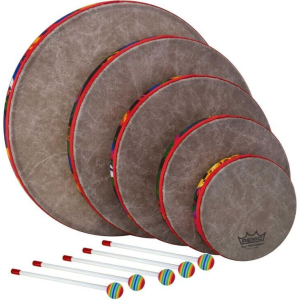
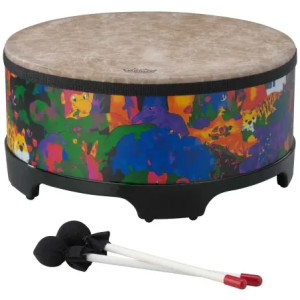
Percussion is the most direct instrument there is: the child strikes, something sounds, immediately. No mouthpiece, no reed, no intonation to hunt for first — just a gesture and a result. That is why percussion is almost always a child's first instrument, and often the one that stays in the house longest.
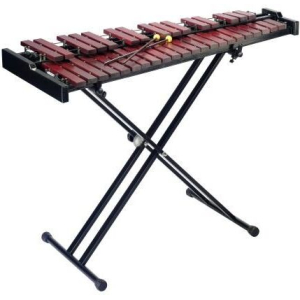
This selection brings together percussion suited to children: mini cajons, child-sized djembes and bongos, drums and floor toms, tuned xylophones and metallophones, kalimbas, tongue drums and tambourines. All new instruments with a true sound, whose heads and bars are sized for smaller hands and a lighter touch.
💡 Key points to remember
At this age the body is the first instrument: clapping hands, stamping feet, then hitting an object. A tambourine, a hand drum or a small floor tom is enough. You are looking for sturdiness and an easy grip, not for nuance.
The child starts wanting to play with others, to hold a shared tempo. The bongo, the mini djembe and the xylophone let them keep a pulse and hear their own place in a group.
A cajon or a child-sized djembe offers two striking heights (edge and centre) and playing with fingers, palms and rolls. This is the age when the instrument accompanies a whole piece rather than a single gesture.
Practical tip: for a first purchase, a well-tuned tambourine or xylophone is worth more than a bundle of noisy little objects. A true sound makes you want to play again; a false one discourages within days.
In a nursery, a school or an early-years workshop, music is played in a group: you need one instrument per child, even if that means varying the timbres between two sets.
Percussion takes knocks. A slackened head, a split body or lost tuning will not show in a photograph. Here everything is new and guaranteed for 2 years. Second-hand instruments live in our dedicated category, with their condition described product by product.
Three landmarks: the child must reach the centre of the head with the arm extended, carry the instrument alone without effort, and reach every note without leaning forward.
From 2 years with a tambourine or a hand drum. Around 5-6 years, a mini cajon or a child-sized djembe becomes a real instrument.
Sets of tambourines, maracas, claves and a soprano xylophone: few pieces, varied timbres, and one instrument per child.
Yes, on the models in this selection: bars tuned diatonically or chromatically, with the note engraved on each one.
Yes, a mini cajon is played seated with feet flat: the child strikes with the palms and hears two distinct sounds, just like on a stage cajon.
Yes. Shipped from our warehouses, tracking sent as soon as your order leaves, delivery to France, Belgium, Luxembourg, Switzerland and the EU.
Yes, 2 years on new products. Our customer service team replies within 24 working hours.