Cart
There are no more items in your cart- Used
From its humble beginnings in Kalamazoo, Gibson has become an undeniable icon in the music world. The company's impact on music production, studio recording, and even the international music scene is undeniable. Let's delve into this fascinating journey through the history and rise of Gibson.
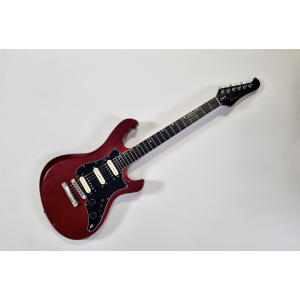
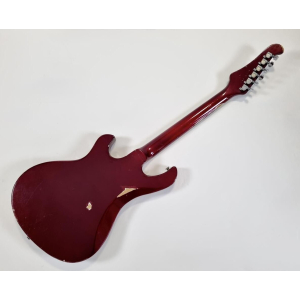
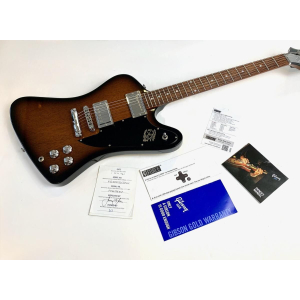
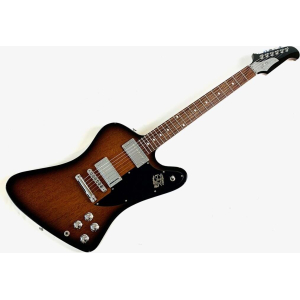
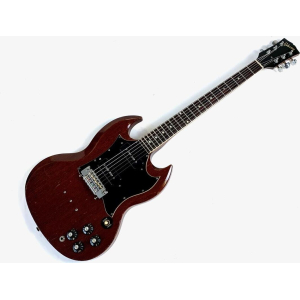
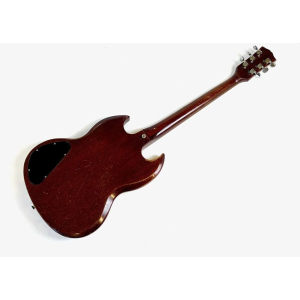
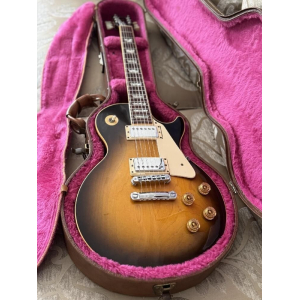
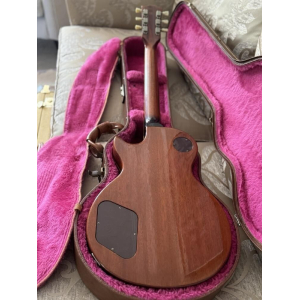
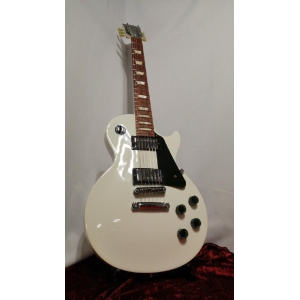
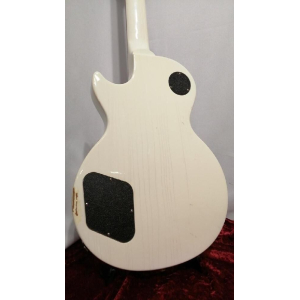


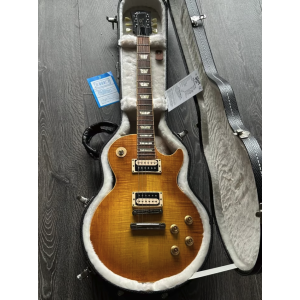
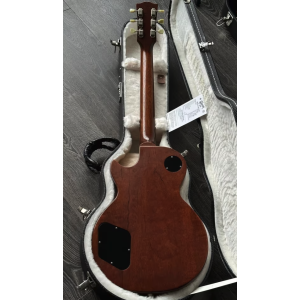


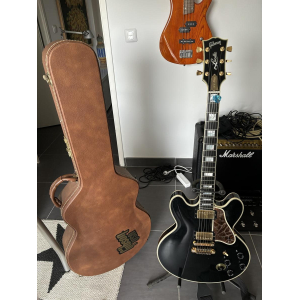
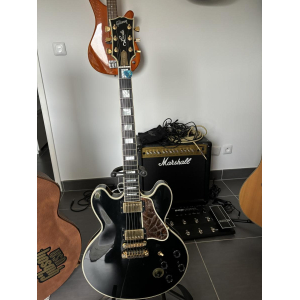
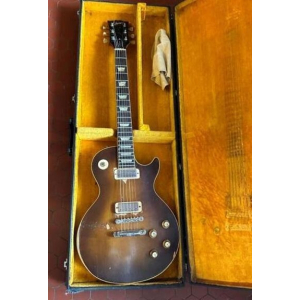
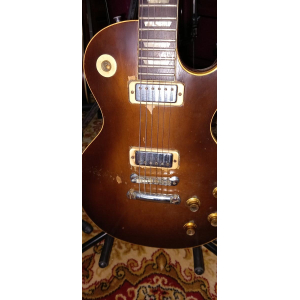


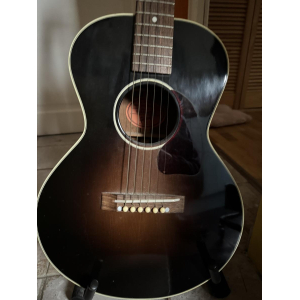
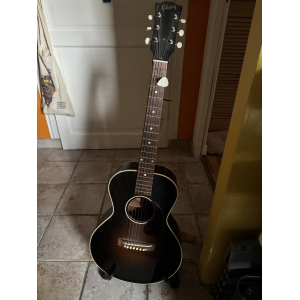


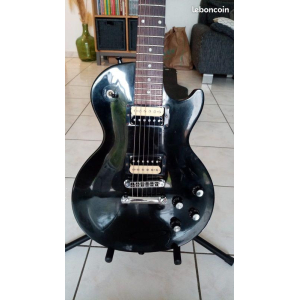
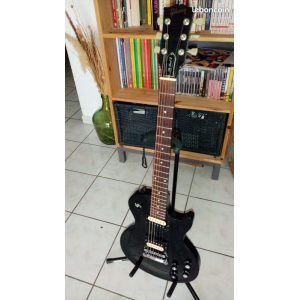


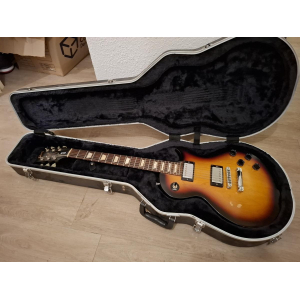
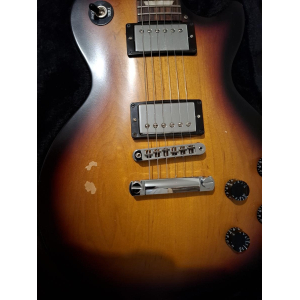


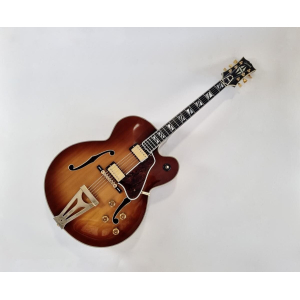
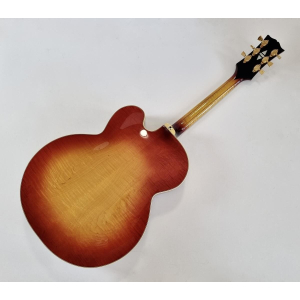
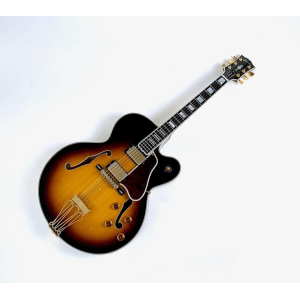
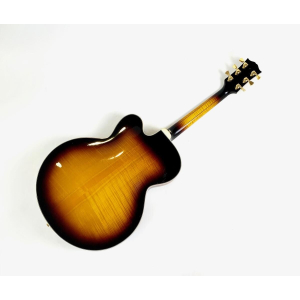
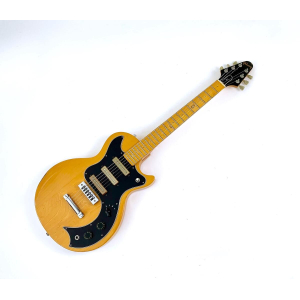
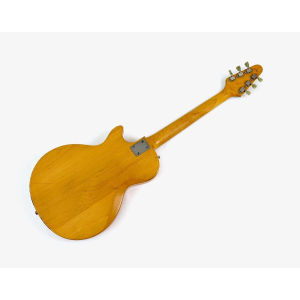
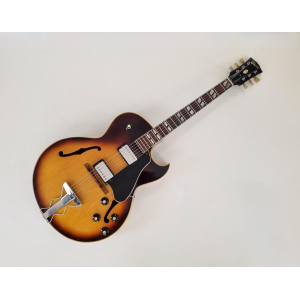
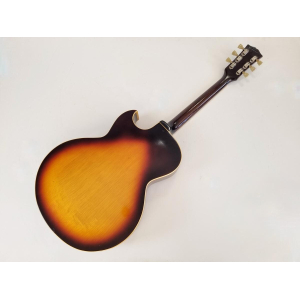
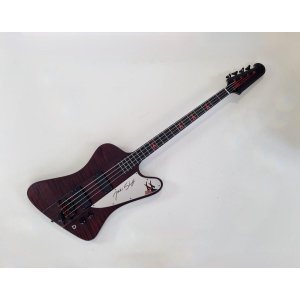
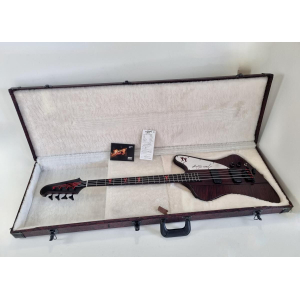
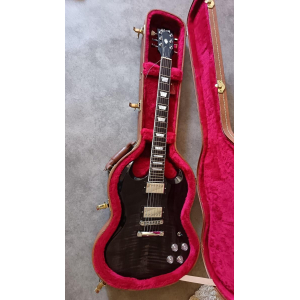
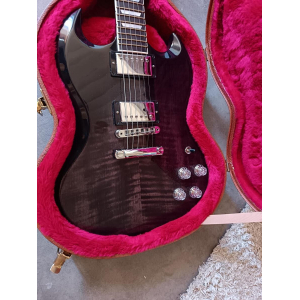
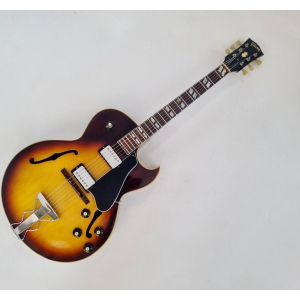
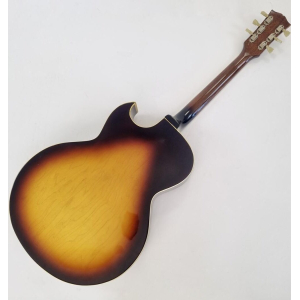
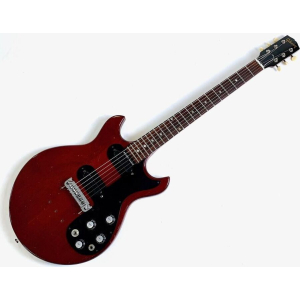
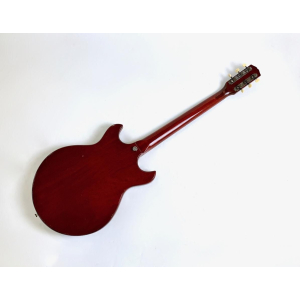
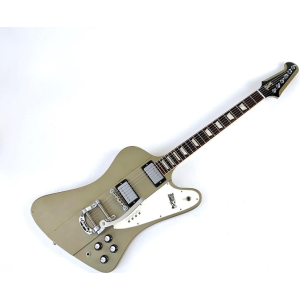
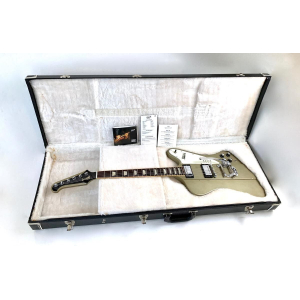
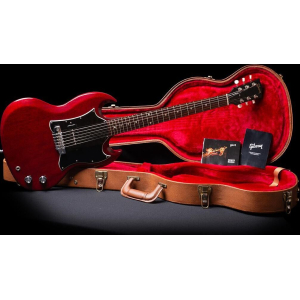
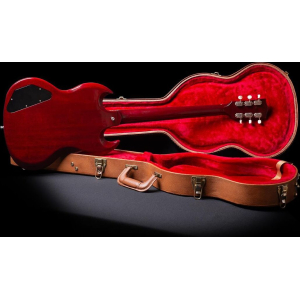
The Gibson guitars, synonymous with quality and history in music, are proudly showcased at Green Musicians. Each used Gibson guitar is a remarkable piece, offering classic sound and aesthetics at an affordable price for all musicians.
Gibson started in Kalamazoo, Michigan. The city witnessed the rise of many music legends, but Gibson's move to Nashville in 1974 marked a new era for the brand. These two cities played a crucial role in the history of Gibson and American music.
In the 1960s, although the production of the Les Paul had ceased, legends like Keith Richards, Jimmy Page, and Eric Clapton breathed new life into this icon. The Les Paul was not just a guitar; it was (and still is) a representation of rock 'n' roll itself. The distinct power and tone of this guitar made it a popular choice for artists across different music genres.
The SG, with its distinctive shape and sharp tone, found its place among hard rock and rock guitarists like Angus Young of AC/DC and Tony Iommi of Black Sabbath. In France, it was popularized by artists like Louis Bertignac of the band Téléphone.
Over the years, Gibson has shown impressive adaptability. In the 1980s, facing major challenges, it was revitalized through acquisition by three investors, including Henry E. Juszkiewicz. Under his leadership, Gibson placed quality at the core of its production, opening factories in Memphis and Bozeman.
In 2007, Gibson revolutionized the market by partnering with Tronical to launch the Powertune system, an automatic tuning mechanism that surprised and delighted many guitarists.
However, this journey was not without hurdles. In 2012, Gibson was convicted of illegally importing ebony wood. Then, in 2018, a massive debt led Gibson to file for Chapter 11 bankruptcy protection in the United States.
While Gibson is known for its high-quality, premium guitars, it has also reached other market segments through Epiphone. Acquired in 1957, this subsidiary offered musicians less expensive yet quality alternatives. Additionally, with other brands like Kramer, Steinberger, and Tobias under its umbrella, Gibson has demonstrated its diversity and expertise in the world of musical instruments.
The true magic of Gibson comes alive in recording studios. The Les Paul, for example, is known for its unmatched sustain and tonal richness, prized features during recording sessions. Many legendary albums bear the imprint of Gibson, whether through the gentle melody of an acoustic guitar or the roughness of an electric one.
Gibson amplifiers, though less famous than their Fender counterparts, have their own charm. Historically, Gibson was one of the pioneers of electric guitar amplification. These amps have been used by many musicians seeking a unique sound for their recordings.
For over a century, Gibson has repeatedly proven its worth not only as an instrument maker but also as a pillar of the music industry. Despite challenges, the brand has persisted, innovated, and inspired. From the local pub stage to the grand recording studio, the name Gibson resonates with respect and admiration. For musicians and enthusiasts worldwide, Gibson is not just a brand; it's a legend.


